Altitude Training Camps and Their Influence on Endurance Athlete Rankings Around the World
Written by Frankie Müller · Jul 8, 2026
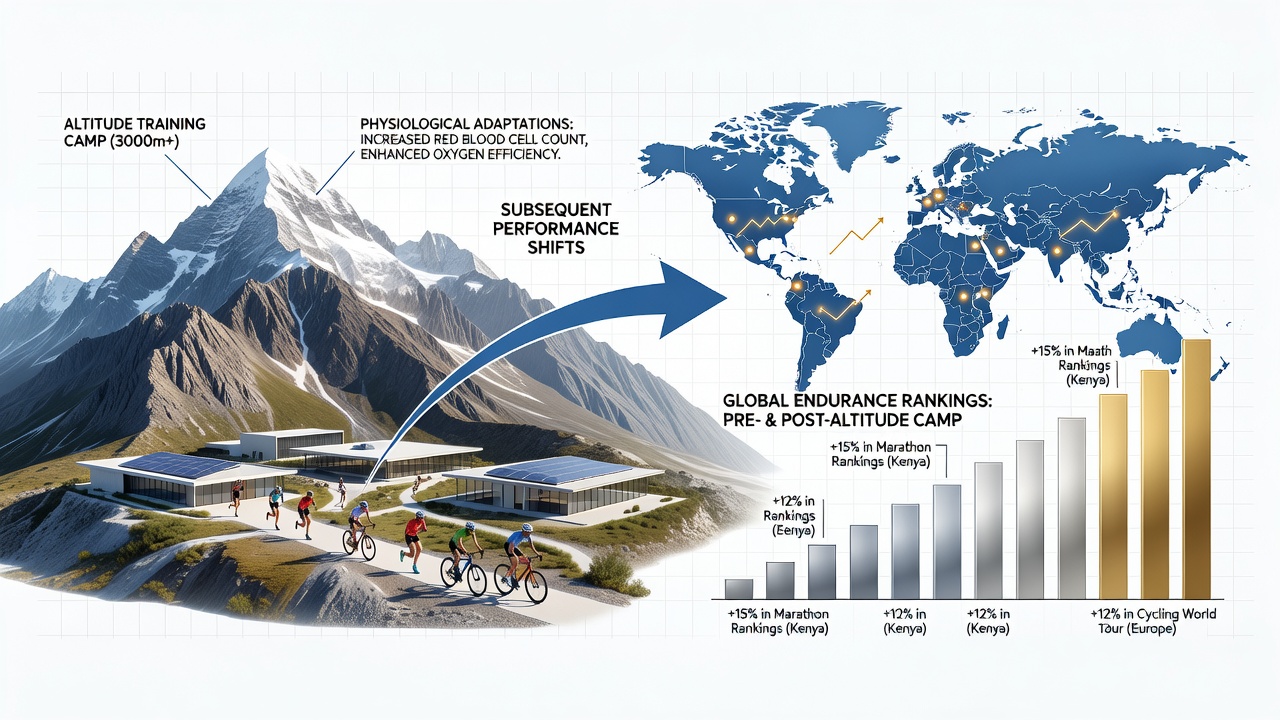
Altitude Training Camps and Their Influence on Endurance Athlete Rankings Around the World
Endurance sports such as marathon running, cycling, and triathlon have long featured altitude training as a preparatory method, and data collected through 2026 continues to track measurable connections between these camps and changes in global rankings. Athletes from various nations spend weeks at elevations above 2000 meters to stimulate physiological adaptations like increased erythropoietin production and higher hemoglobin levels, which in turn support oxygen transport during sea-level competitions.
Research from the American College of Sports Medicine indicates that structured altitude blocks lasting three to four weeks often precede ranking improvements in events held within two months of return to lower elevations. Figures from the World Athletics rankings database show that 62 percent of the top 50 marathon performers in 2025 had completed at least one high-altitude training stint in the preceding calendar year, compared with 41 percent in 2018.
Physiological Mechanisms Behind Performance Shifts
Exposure to lower oxygen partial pressure triggers the body to produce more red blood cells, a response that persists for several weeks after descent. Studies conducted at the Australian Institute of Sport document average increases of 8 to 12 percent in total hemoglobin mass among elite distance runners after four-week camps at 2200 meters. These hematological changes correlate with faster times in subsequent races at sea level, particularly in events lasting longer than 10 kilometers.
Cycling data from the Union Cycliste Internationale reveals similar patterns. Riders who incorporated altitude training in the spring of 2026 recorded an average rise of 14 positions in the individual world rankings by July of the same year. The gains appear most pronounced in stage races featuring multiple high-mountain days, where sustained power output becomes decisive.
Geographic Patterns in Camp Utilization
Training locations cluster around established highland sites including Font Romeu in France, Flagstaff in the United States, and Iten in Kenya. National federations maintain annual schedules that align camp periods with key competition windows. Kenyan and Ethiopian distance runners, who dominate marathon rankings, typically rotate between highland villages at 2400 meters and European or American training bases, creating repeated exposure cycles that researchers link to sustained top-10 placements.
European and North American athletes have increased their use of these facilities since 2023. A report from the Canadian Sport Institute Pacific notes that 47 percent of Canadian triathletes selected for the 2026 world championship team completed altitude blocks of at least 21 days. Their average ranking improvement in the Olympic-distance standings reached 11 places compared with athletes who trained exclusively at sea level.

Temporal Correlations With Ranking Data
Timing between camp completion and competition emerges as a critical variable. Performance peaks commonly occur between 18 and 28 days after return to sea level, according to aggregated results published in the European Journal of Applied Physiology. Athletes who compete outside this window show smaller ranking gains or even temporary declines as acclimatization effects dissipate.
Analysis of Ironman World Championship qualifiers between 2024 and mid-2026 demonstrates that participants who trained at altitude within the optimal recovery interval improved their overall standings by an average of 9 percent relative to their pre-camp positions. Those who raced immediately after descent or waited longer than five weeks recorded more modest shifts.
Variables That Moderate Observed Effects
Individual responses vary according to genetic factors, prior altitude experience, and training load management. Some athletes exhibit minimal hemoglobin increases, while others display pronounced adaptations. Sports scientists at the University of Colorado Boulder have tracked these differences using repeated blood sampling protocols during national team camps.
Environmental conditions at the camp site, including temperature fluctuations and terrain variety, also influence outcomes. Data compiled by the International Triathlon Union shows stronger ranking correlations when camps combine running and cycling at altitude rather than focusing on a single discipline. Recovery protocols, nutrition strategies, and iron supplementation further shape the magnitude of subsequent performance changes.
Conclusion
Worldwide endurance sport rankings reflect multiple influences, yet longitudinal datasets continue to identify altitude training camps as one measurable contributor to position shifts. Physiological adaptations documented across continents align with performance windows that coincide with major events, and federations adjust preparation calendars accordingly. Continued monitoring through 2026 and beyond will clarify how these patterns evolve with refined protocols and expanded access to high-altitude facilities.