Altitude Variations Reshaping Selection Criteria for Endurance Squads in Global Federations
Written by Frankie Müller · Jun 28, 2026
Altitude Variations Reshaping Selection Criteria for Endurance Squads in Global Federations
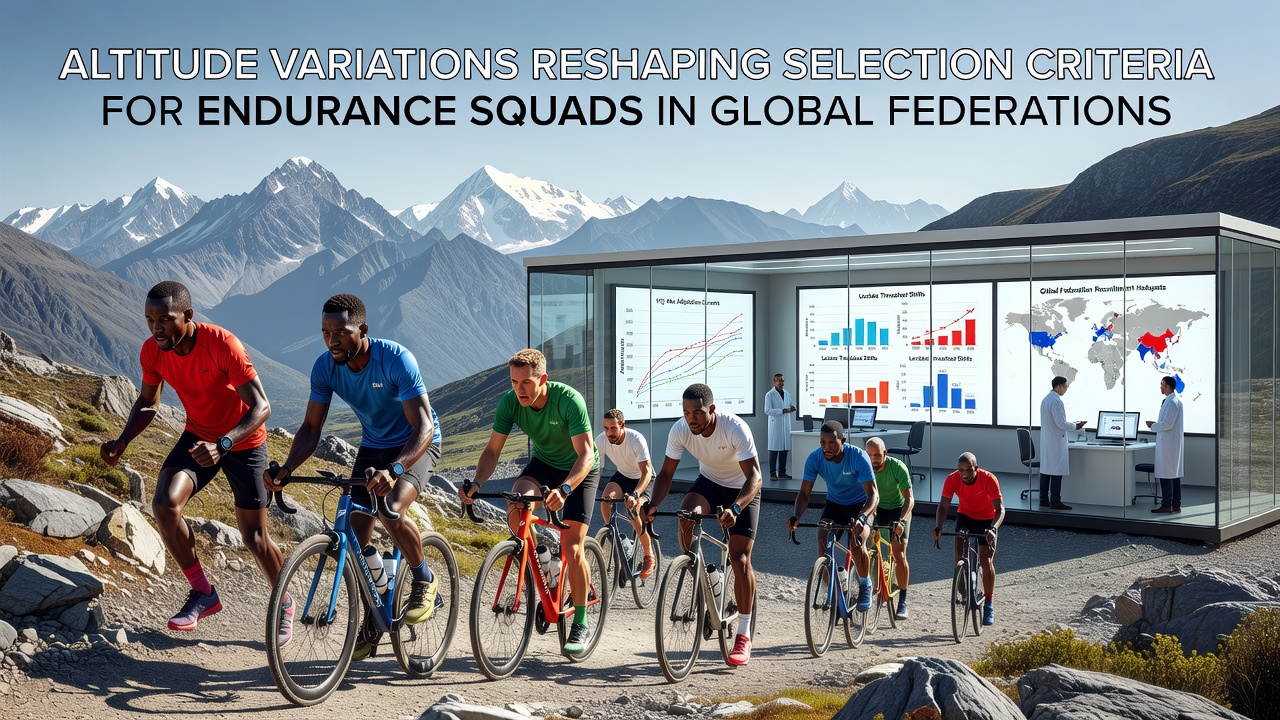
Federations overseeing endurance sports have started incorporating altitude-specific performance metrics into their squad selection processes because lower oxygen availability at elevation directly influences aerobic capacity and recovery rates. Research from institutions across multiple continents shows that athletes who train or compete above 2000 meters experience measurable shifts in hemoglobin levels and lactate thresholds, prompting organizations to adjust testing protocols accordingly.
Physiological Impacts Drive Policy Adjustments
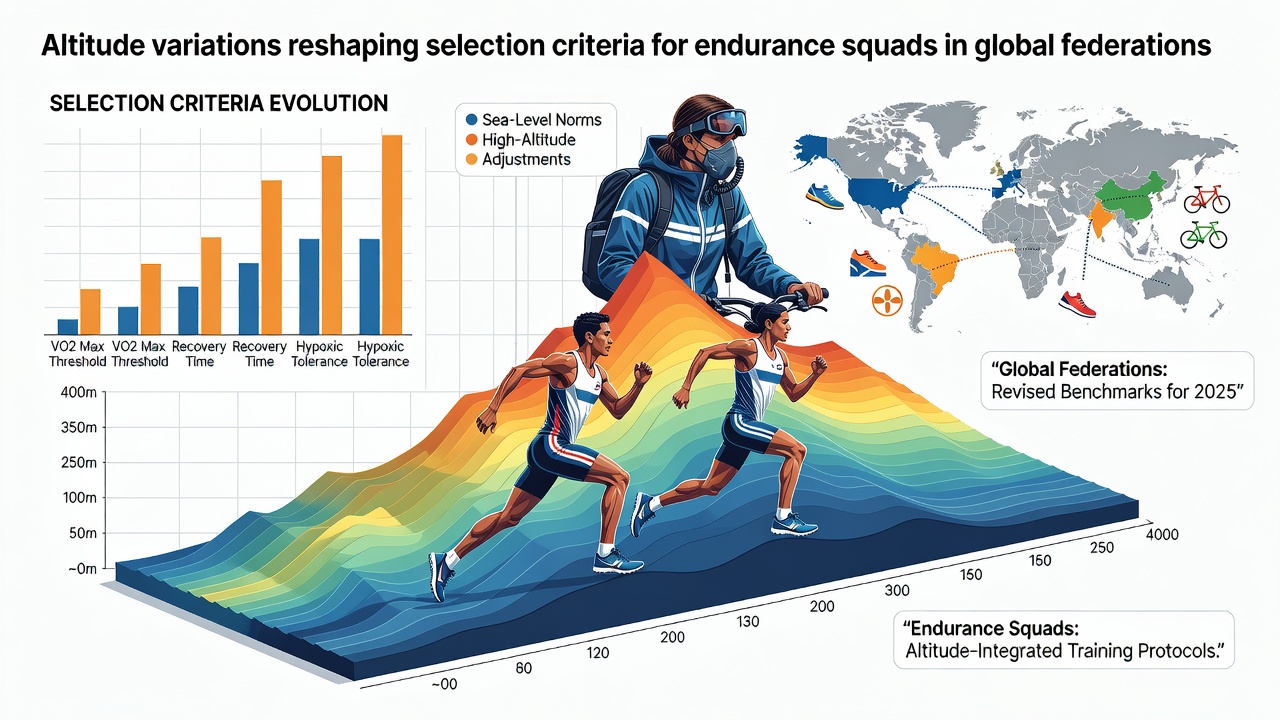
Endurance events such as marathons, cycling stage races, and cross-country skiing demand sustained oxygen utilization, yet air density decreases create performance gaps that vary by individual adaptation. Data collected by the Australian Institute of Sport indicates that VO2 max can drop between 7 and 12 percent at altitudes exceeding 2500 meters, leading selection committees to prioritize candidates who demonstrate stable metrics during simulated or natural high-elevation trials. These changes emerged gradually after longitudinal studies tracked national teams over multiple seasons, revealing consistent patterns in how certain athletes maintain pace while others fade.
Selection panels now integrate altitude chambers and field tests at specific elevations into qualification pathways, rather than relying solely on sea-level benchmarks. Observers note that this approach helps identify athletes with natural advantages in red blood cell production, which becomes critical when federations prepare squads for events like the mountain stages of major tours or high-plateau competitions scheduled through 2026.
Regional Examples Highlight Varied Approaches
World Athletics and the Union Cycliste Internationale have both introduced altitude-adjusted scoring systems for ranking lists used in team nominations. In East Africa, where many top distance runners originate from highland regions, federations document how native adaptations allow quicker acclimatization compared with athletes from lowland backgrounds. European cycling squads, meanwhile, schedule mandatory training camps in the Alps or Pyrenees to gather comparable data before finalizing roster decisions for grand tours.
North American organizations follow similar patterns, with the U.S. Olympic and Paralympic Committee referencing research from Colorado-based labs that quantifies performance rebounds after repeated altitude exposures. These protocols gained traction ahead of qualification windows opening in June 2026 for several continental championships, where mixed-elevation courses feature prominently.
Data Integration and Testing Protocols Expand
Biometric monitoring now extends beyond basic heart rate to include continuous oxygen saturation readings and erythropoietin response curves collected during controlled ascents. Federations report that such datasets allow more precise predictions of how athletes will handle specific race profiles, especially when venues sit between 1500 and 3500 meters. One study coordinated through Canadian research networks demonstrated that combining sea-level and altitude results improves selection accuracy by roughly 18 percent over single-environment evaluations.
Coaches and analysts cross-reference these figures with historical race data from events held at varying elevations, creating composite profiles that influence final squad lists. The shift reduces reliance on anecdotal training reports while increasing emphasis on repeatable physiological markers that hold up across different atmospheric conditions.
Future Outlook Through Mid-2026
Upcoming calendar highlights include several high-mountain competitions where updated criteria will face their first major tests. Federations continue refining algorithms that weight altitude performance proportionally to event demands, ensuring squads reflect balanced capabilities rather than sea-level specialists alone. Continued collaboration between sports science centers in Australia, North America, and Europe supports standardized yet regionally adaptable frameworks.
Conclusion
Global endurance federations have embedded altitude considerations into core selection processes because physiological data consistently shows its influence on competitive outcomes. Through expanded testing, integrated metrics, and scheduled evaluations ahead of 2026 events, these organizations align team composition more closely with the environmental realities athletes encounter. The approach relies on accumulated evidence from multiple research sources and ongoing field observations rather than isolated performance snapshots.