Biometric Integration Driving Squad Decisions in League Play
Written by Parker Hartmann · Jun 5, 2026
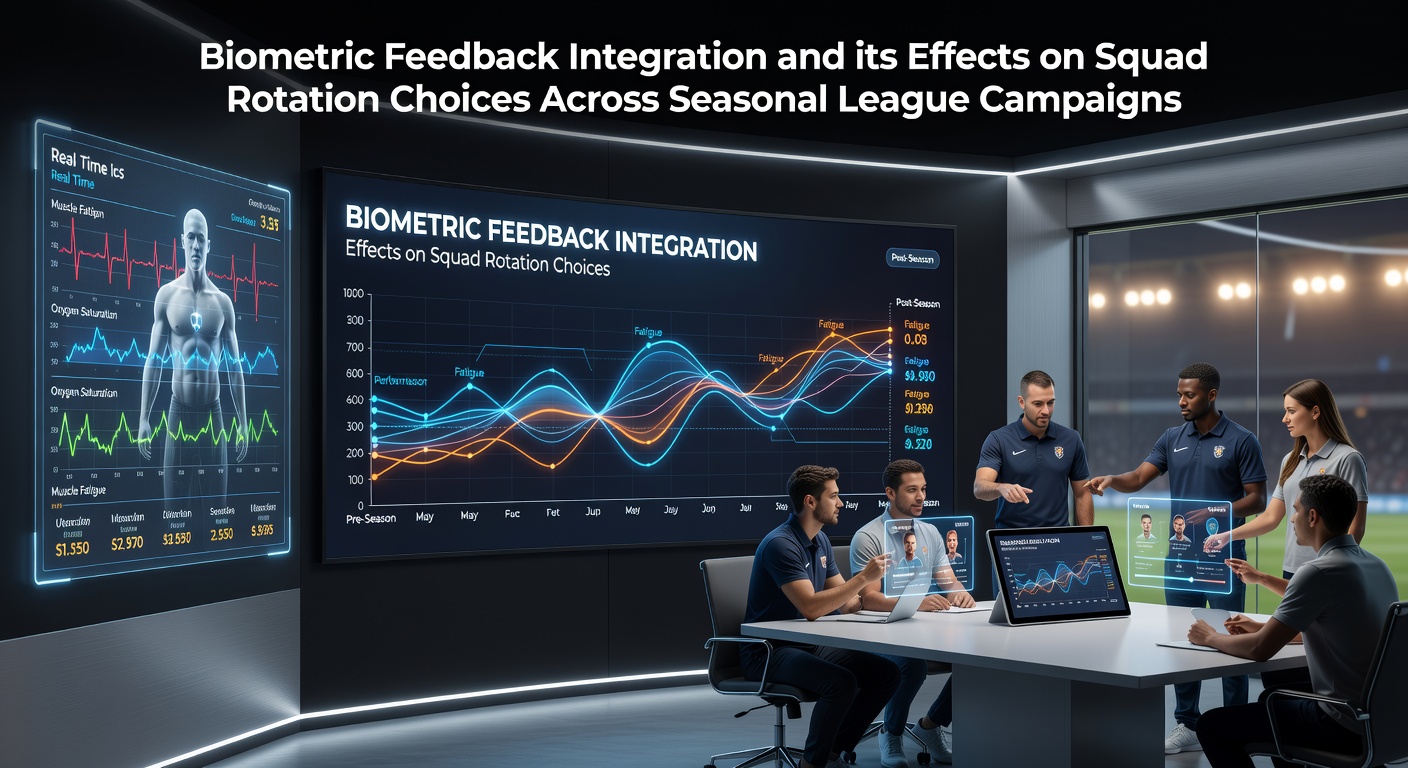
Biometric Integration Driving Squad Decisions in League Play
Teams across major leagues have adopted biometric feedback systems that monitor heart rate variability, muscle oxygen saturation, sleep patterns, and neuromuscular fatigue in real time, and these tools supply objective metrics that shape rotation schedules throughout extended campaigns. Data collected from wearable devices feeds into centralized platforms where performance staff analyze trends across weeks and months, allowing coaches to adjust player minutes based on recovery thresholds rather than relying solely on subjective observations.
Core Components of Biometric Monitoring Systems
Modern setups combine GPS trackers with heart rate straps, force plates, and blood oxygen sensors, while software algorithms flag when an athlete's workload exceeds individualized baselines established during preseason testing. Researchers at the Australian Institute of Sport have documented how daily readings of heart rate recovery after standardized drills correlate with injury incidence rates across multiple football codes, and teams integrate these findings into rotation matrices that prioritize players showing elevated fatigue markers for reduced minutes in upcoming fixtures.
Coaches receive automated reports that highlight cumulative load spikes over a seven-day window, and these summaries often trigger substitutions even when visual assessment suggests a player remains capable. Studies tracking elite squads indicate that squads using such protocols maintain lower soft-tissue injury counts compared with those depending on traditional observation alone, particularly during congested schedules that span autumn through spring.
Rotation Patterns Across Different League Formats
In European domestic leagues, where teams contest thirty-eight matches plus cup ties, biometric dashboards guide midweek rest allocations for key midfielders whose recovery scores dip below set parameters. North American basketball franchises apply similar logic during back-to-back game stretches, rotating starters whose jump-landing forces measured on force plates show asymmetry that exceeds established norms. Australian rules football clubs have extended these practices into their longer home-and-away seasons, where data from June 2026 campaigns revealed that clubs rotating players after three consecutive high-load sessions posted higher win percentages in the following fortnight than those maintaining unchanged lineups.
Observers note that rotation decisions now incorporate position-specific thresholds, so goalkeepers and central defenders receive different load caps than attacking players whose explosive efforts create distinct neuromuscular demands. This differentiation appears in published team reports from several leagues, where average minutes per player declined in high-intensity roles while overall squad depth utilization rose.
Case Examples From Recent Seasons
One European club tracked twenty-two players across an entire campaign and adjusted starting selections after biometric alerts flagged elevated creatine kinase levels in three consecutive sessions, resulting in measurable drops in sprint distance covered during matches for those individuals. A separate North American franchise altered its playoff rotation after sensor data showed guard recovery times lengthening by fifteen percent during a late-season road trip, and the adjusted lineup produced improved defensive efficiency ratings in subsequent contests.
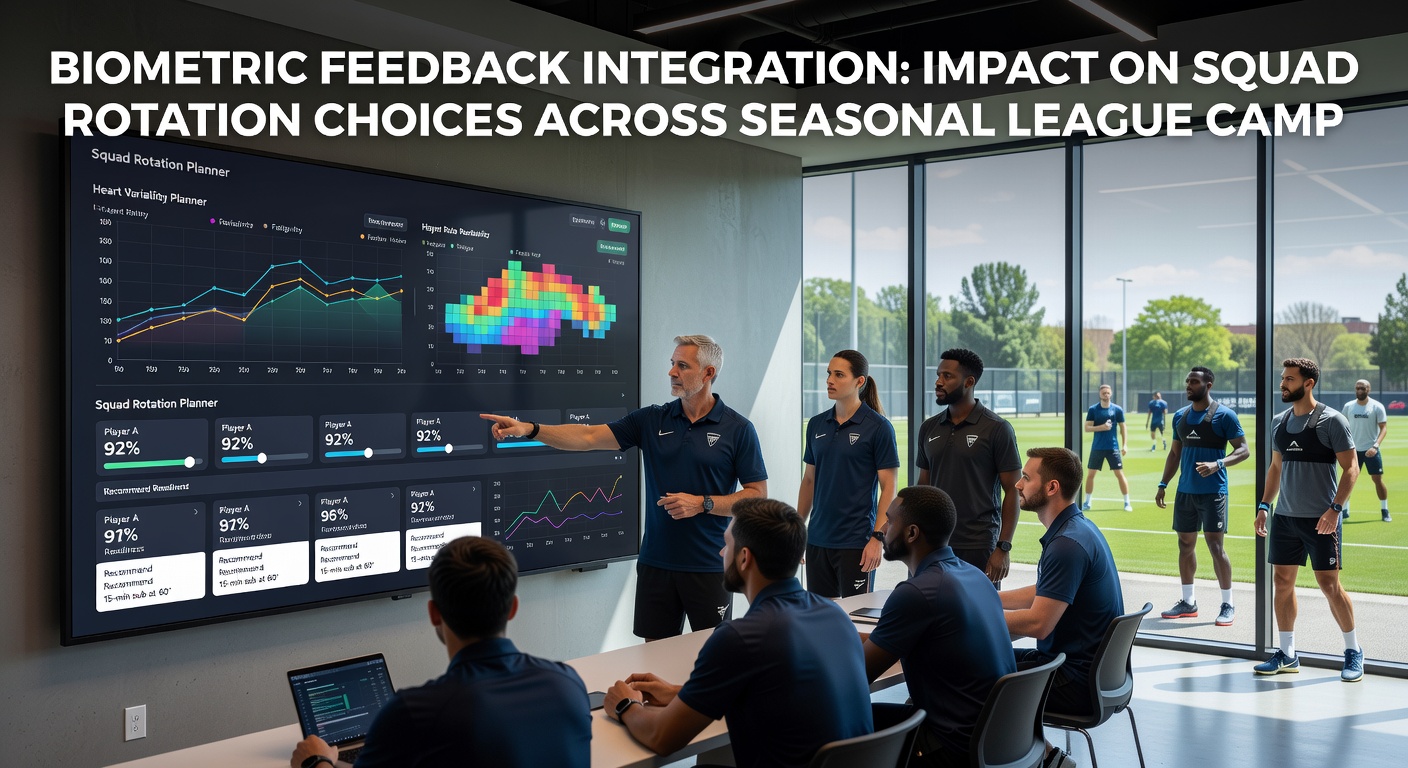
These adjustments occur within broader league contexts where fixture congestion from international breaks and television scheduling creates repeated high-load periods, and biometric platforms provide the granular visibility required to balance competitive demands against long-term squad availability.
Data Sources Informing League-Wide Trends
According to reports compiled by the NCAA Sport Science Institute, collegiate programs that integrated biometric monitoring across multiple sports recorded a nineteen percent reduction in non-contact injuries during conference play when rotation decisions incorporated daily readiness scores. Separate findings from the International Olympic Committee working groups on athlete health highlight how continuous monitoring across Olympic cycles has influenced national federation policies on load management, and several professional leagues reference these guidelines when drafting internal rotation protocols.
Figures from league-wide injury surveillance systems show correlations between teams that maintain consistent biometric review meetings and lower absence rates for hamstring and quadriceps issues, especially during the final third of seasonal campaigns when fixture density peaks. Staff across these organizations cross-reference individual player histories with current readings to determine whether a marginal dip warrants rest or continued participation with modified training loads.
Implementation Challenges and Standardization Efforts
Variability in device accuracy across manufacturers creates ongoing calibration requirements, and league medical committees have begun issuing recommended validation protocols to ensure comparable data sets between clubs. Budget constraints limit smaller-market teams from deploying full sensor arrays, yet several have adopted shared-service models that pool monitoring infrastructure while preserving competitive confidentiality around specific algorithms.
Privacy regulations in multiple jurisdictions require explicit consent frameworks and data-retention limits, which teams address through anonymized aggregate reporting for coaching staff while storing identifiable records under restricted access. These procedural steps allow biometric programs to operate within existing compliance structures without interrupting daily rotation workflows.
Conclusion
Biometric feedback has become embedded in squad management across seasonal leagues, supplying quantitative inputs that refine rotation choices and support sustained performance over extended campaigns. Continued refinement of sensor accuracy alongside standardized reporting frameworks points toward broader adoption, while existing case data from multiple continents demonstrates measurable associations between monitoring integration and squad availability metrics.