Brand Investments Reshaping Competitive Edges in Badminton's Professional Arena
Written by Parker Hartmann · Jul 24, 2026
Brand Investments Reshaping Competitive Edges in Badminton's Professional Arena
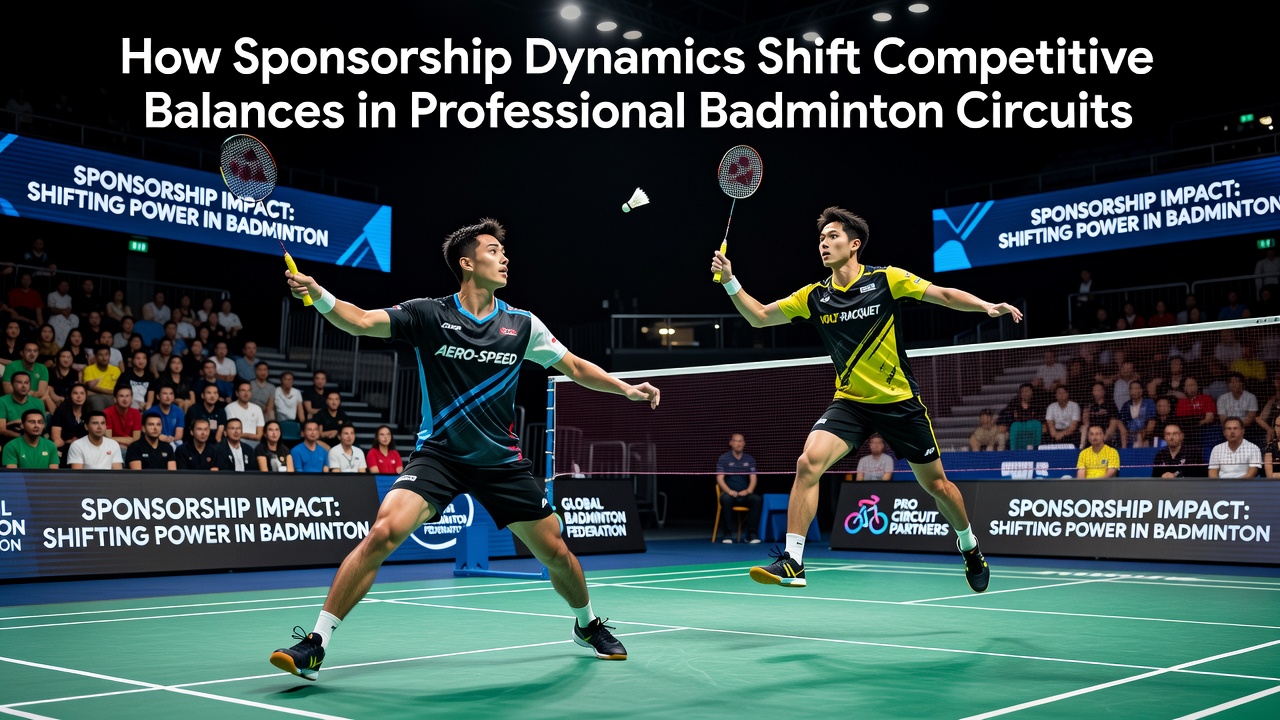
Corporate partnerships have long played a central role in professional badminton, and recent patterns show these alliances increasingly determine access to training facilities, travel budgets, and equipment upgrades that separate top contenders from the rest of the field. Data compiled by the Badminton World Federation reveals that players backed by major equipment manufacturers consistently secure higher world ranking points over multi-year periods compared to those relying on smaller regional sponsors.
Equipment Deals and Performance Infrastructure
Leading brands such as Yonex and Li-Ning allocate substantial resources toward athlete development programs that include customized racket designs, on-site technical support during tournaments, and dedicated coaching staff. Athletes under these contracts often gain priority entry into high-profile events because organizers favor pairings that draw larger audiences and media coverage. Observers note that this preference creates a feedback loop where sponsored players accumulate ranking points more rapidly, which in turn attracts further investment from additional corporate partners.
Those who secure multi-year contracts with international firms also receive access to advanced recovery centers and nutrition planning that smaller national federations cannot always provide. Figures released ahead of the 2026 season highlight how several mid-tier players from Southeast Asia improved their win rates after switching to brands that offered integrated support packages rather than cash-only deals.
Travel and Tournament Access Patterns
Participation in the BWF World Tour requires significant financial outlays for flights, accommodation, and support crews, and sponsorship agreements frequently cover these costs outright. Players without such backing often limit their schedules to regional circuits, missing opportunities to face stronger opposition and collect the points needed for qualification into Super 750 and Super 1000 events. Records from July 2026 show a noticeable concentration of sponsored athletes reaching quarterfinal stages across multiple continents, while unsponsored competitors clustered in earlier rounds.
Corporate backers also influence scheduling decisions because they negotiate appearance fees and promotional obligations that align with their marketing calendars. This arrangement allows certain athletes to compete in clustered tournaments that maximize points accumulation within short windows, whereas others must spread their participation more thinly due to budget constraints.
National Team Dynamics and Individual Contracts
National federations in countries with strong badminton traditions sometimes coordinate with private sponsors to supplement federation funding. In cases where individual players sign separate deals, tensions can arise over equipment usage rules and revenue sharing, yet these arrangements have also enabled emerging talents to remain competitive against established stars. Reports from the Australian Institute of Sport document instances where targeted sponsorship support helped athletes from Oceania nations secure wildcard entries into larger events, gradually narrowing the gap with traditional powerhouses.
Equipment exclusivity clauses embedded in contracts further shape match outcomes because players must adapt to specific string tensions and grip preferences dictated by their sponsors. Over time these adaptations contribute to distinctive playing styles that become harder for unsponsored opponents to counter during direct confrontations.
Market Shifts Observed Through 2026
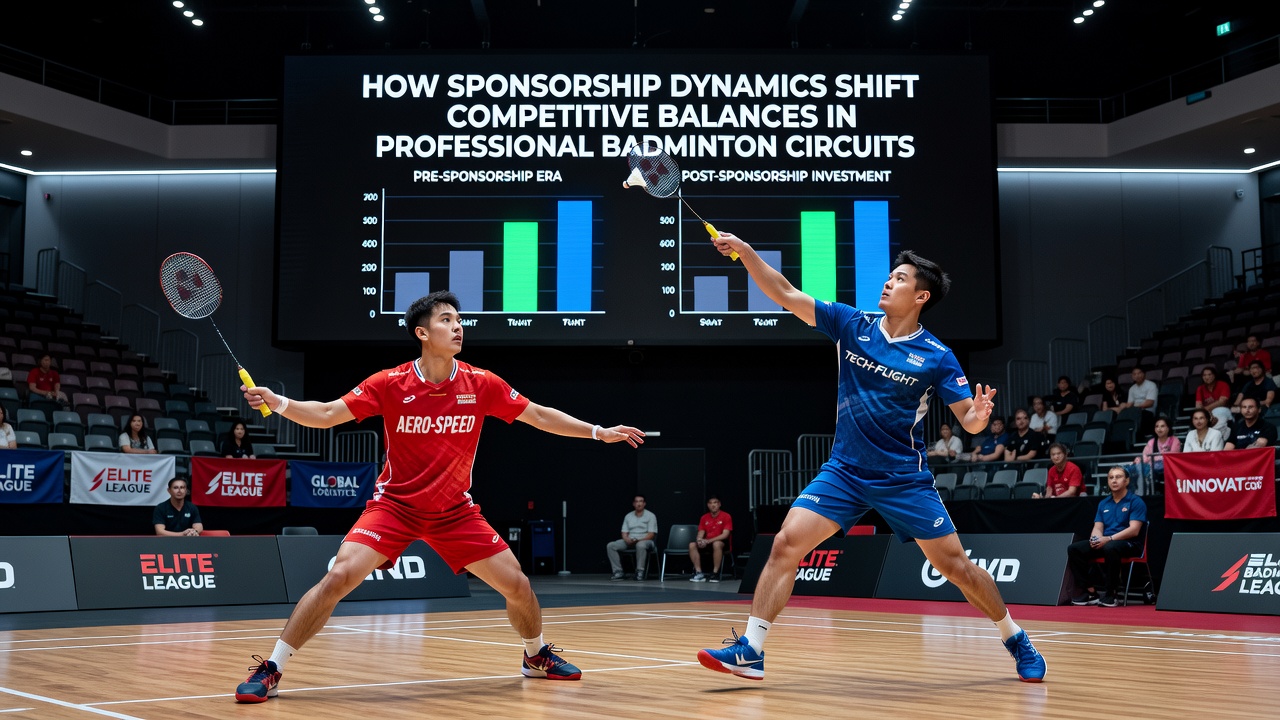
By July 2026 several new entrants from the technology and apparel sectors had entered badminton sponsorship markets, redirecting resources toward mixed doubles pairs that previously operated with minimal corporate support. This influx coincided with improved performance metrics for those pairs in the BWF rankings, suggesting that fresh capital injections can accelerate upward mobility when paired with consistent tournament exposure. Industry analyses from the Sport Business Group in Canada indicate that such diversification reduces reliance on a handful of dominant brands and creates more varied competitive pathways.
Yet the same data sets reveal persistent concentration of prize money and ranking points among athletes aligned with the largest sponsors, underscoring how sponsorship dynamics continue to reinforce existing hierarchies even as new players enter the ecosystem.
Conclusion
Sponsorship structures in professional badminton function as both enablers and gatekeepers, determining which athletes can sustain the rigorous travel and preparation demands of the modern circuit. As corporate involvement expands into previously underserved regions and formats, the distribution of competitive advantages evolves accordingly. Tracking these financial flows alongside performance statistics provides a clearer picture of how external resources translate into on-court results across successive seasons.