Consistency Metrics Reveal Hidden Patterns in Electric Racing Circuits
Written by Devon Schwarz · Jun 26, 2026
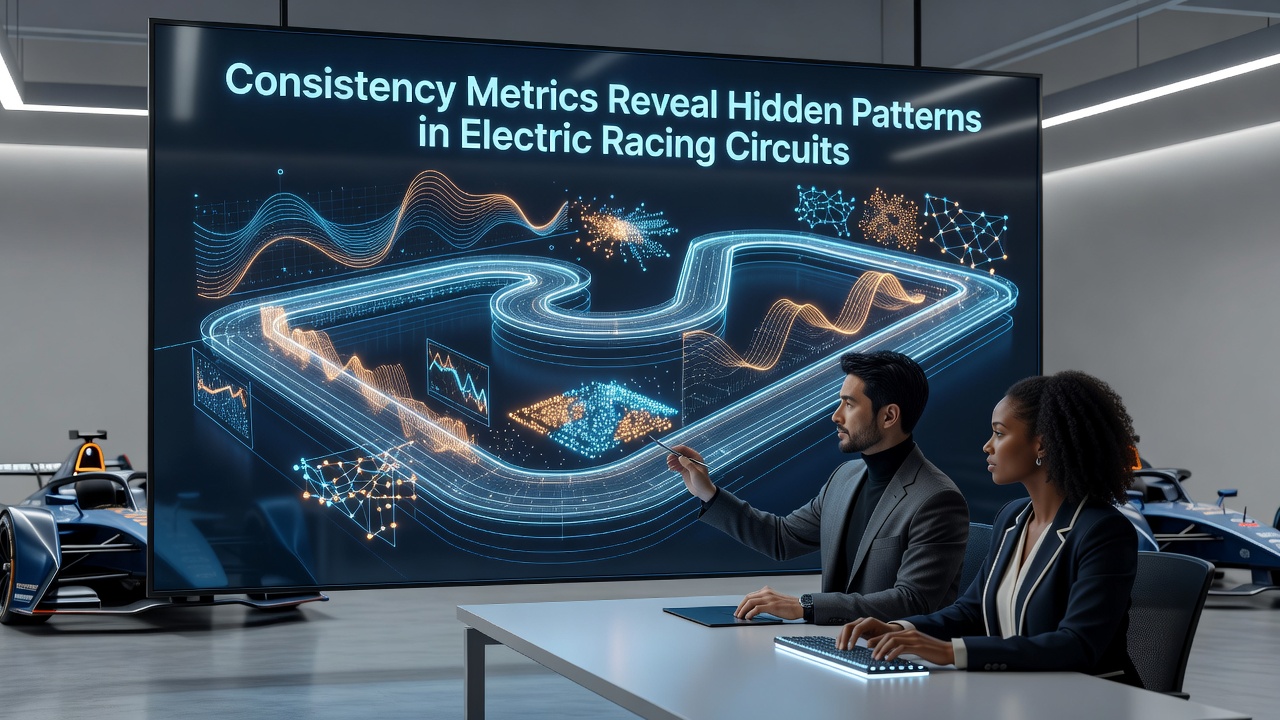
Consistency Metrics Reveal Hidden Patterns in Electric Racing Circuits
Electric racing circuits have drawn increasing attention from analysts who track performance through consistency metrics that measure lap time variation, energy deployment rates, and regenerative braking efficiency across multiple events. These measurements expose patterns that traditional speed statistics often overlook because they focus on averages rather than sustained reliability during changing track conditions. Researchers at motorsport data centers compile these figures from onboard sensors that record thousands of data points per lap, allowing teams to identify drivers who maintain steady outputs even as battery levels drop or tire degradation sets in.
How Metrics Capture Performance Stability
Consistency metrics combine several variables into single scores that reflect how little a driver's pace fluctuates over a race distance, and experts note that lower variance scores correlate with better finishing positions in tightly contested series. Data from recent Formula E seasons shows that drivers who keep energy consumption within narrow bands tend to execute fewer tactical errors when late-race pushes become necessary. Observers note that circuits with multiple hairpins and long straights produce different consistency demands because energy recovery opportunities vary by layout, which forces teams to adjust power mapping strategies accordingly. Studies from the International Motor Sports Federation indicate that these patterns become clearer when analysts separate qualifying sessions from race runs, since the former emphasize single-lap bursts while the latter reward endurance across twenty-five or more laps.
Patterns Emerging from 2025 Data Sets
Analysis of 2025 electric racing events reveals that certain circuits reward drivers who excel at mid-corner throttle control rather than outright top speed, and this shows up in consistency scores that improve when teams optimize regenerative braking zones. One study released by a Canadian motorsport research group tracked ten races and found that consistent energy release during the middle third of each lap predicted final classification more accurately than peak speeds achieved on straights. Teams have begun using these insights to refine driver coaching programs, focusing on repeatable inputs instead of occasional heroics that drain batteries faster than planned. What's notable is how these metrics also highlight differences between manufacturers because powertrain calibration affects how smoothly energy flows during transitions between acceleration and coasting phases.
Energy Management and Circuit Design Interactions
Circuit designers incorporate elevation changes and corner radii that influence how electric powertrains behave, and consistency metrics capture the resulting effects on overall race pace. Data indicates that tracks with significant altitude shifts create larger spreads in lap times because battery cooling systems must work harder to maintain output, which leads some teams to adopt conservative mapping early in events. Researchers have observed that drivers who adjust their lines slightly to preserve momentum through sequences of corners achieve tighter consistency bands without sacrificing average speed. This approach appears in multiple team debriefs where engineers compare real-time telemetry against pre-race simulations to spot deviations before they compound into lost positions.
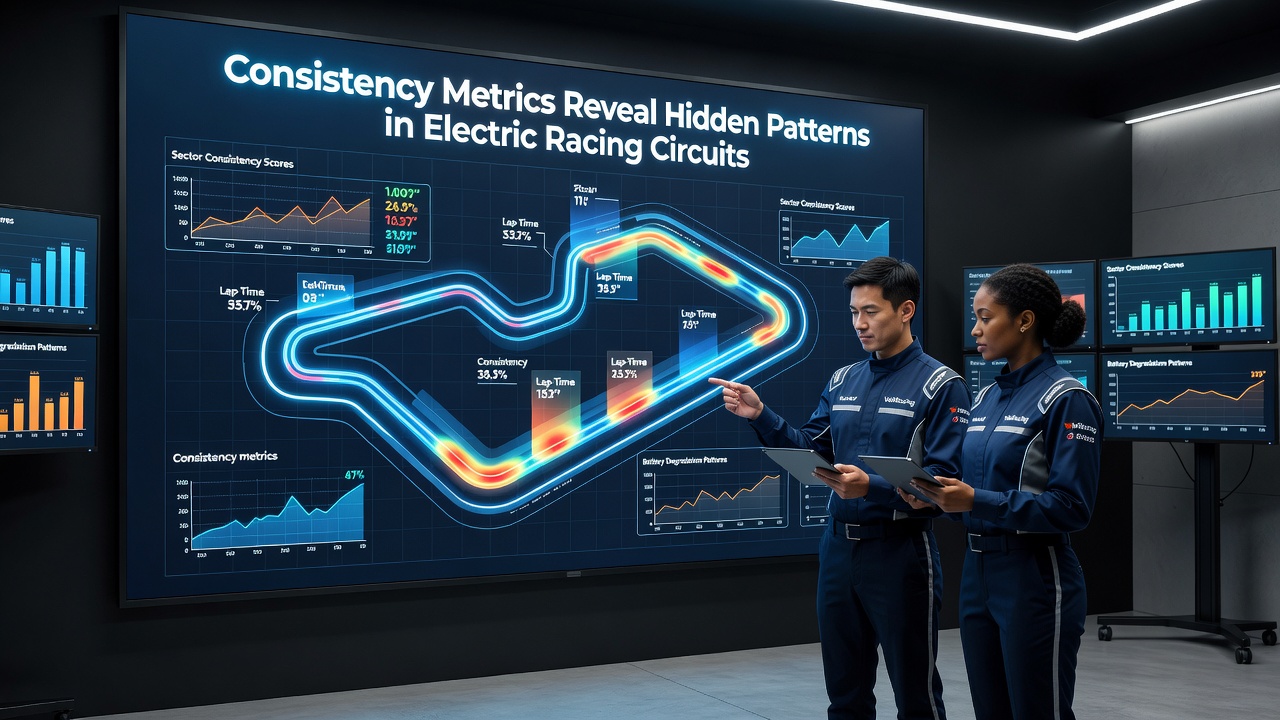
June 2026 brings the next evolution of these circuits with updated technical regulations that emphasize standardized battery monitoring systems, and preliminary testing suggests the changes will make cross-team comparisons of consistency metrics even more precise. According to a report published by the European Environment Agency on sustainable motorsport technologies, refined data collection will help organizers evaluate how circuit modifications affect long-term performance patterns across entire seasons. Those who've examined early simulations note that tighter energy limits may widen gaps between drivers who master steady deployment and those who rely on aggressive bursts, creating new tactical layers during championship battles.
Team Strategies Built Around Metric Insights
Engineering groups now integrate consistency scores into simulation models that predict race outcomes under varying weather and traffic scenarios, and this practice has spread across several series that use electric powertrains. Teams review historical data from similar circuits to set target variance thresholds that drivers aim to stay beneath during practice runs. One example comes from a squad that adjusted its qualifying approach after noticing that slightly lower top speeds produced better overall consistency and translated into stronger race-day results. Such adjustments demonstrate how these hidden patterns influence decisions that extend beyond single events and shape season-long points accumulation.
Conclusion
Consistency metrics continue to provide clearer views into electric racing performance by revealing which elements of driving and strategy hold up under repeated stress. As data collection improves through 2026 and beyond, these measurements will likely guide further refinements in both vehicle development and circuit design, helping stakeholders understand the factors that separate sustained excellence from sporadic brilliance across competitive grids.