Endurance Data Adjustments Among Elite Rowers After Recent Equipment Improvements in High-Level Regattas
Written by Frankie Müller · Aug 7, 2026
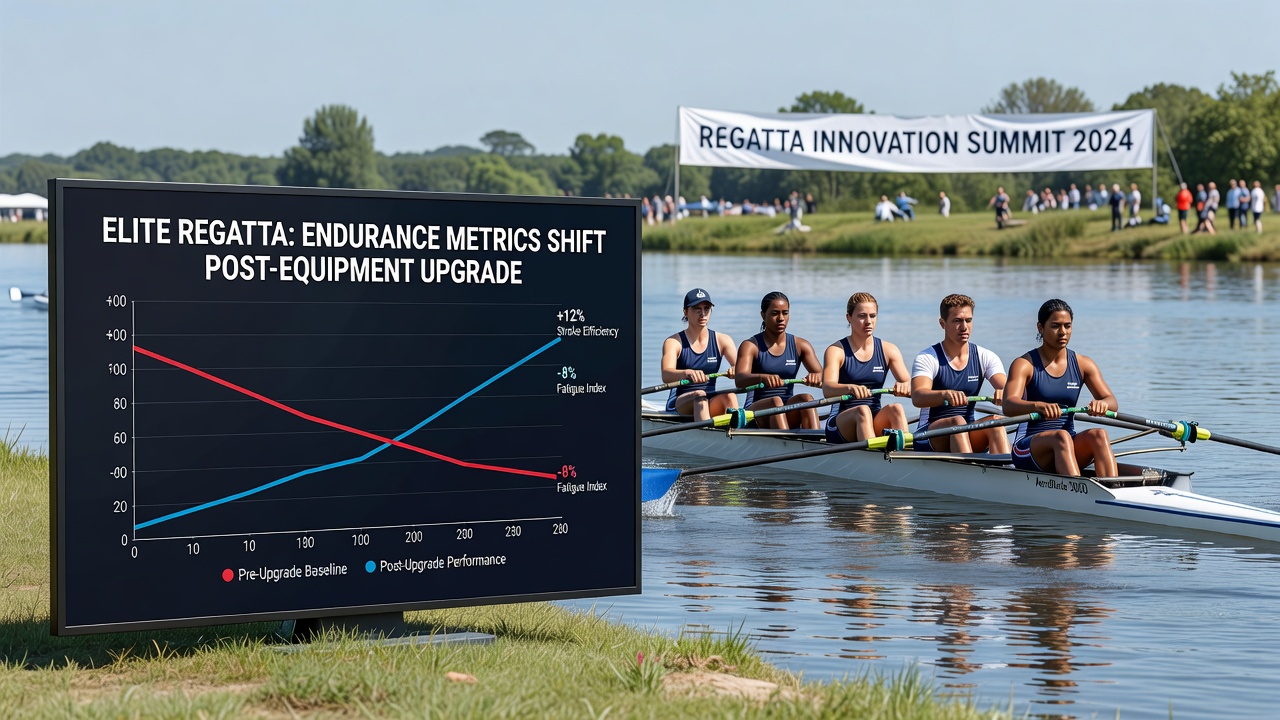
Endurance Data Adjustments Among Elite Rowers After Recent Equipment Improvements in High-Level Regattas
Elite rowing has seen measurable changes in endurance metrics after teams adopted lighter hull materials and redesigned oar systems at events such as the World Rowing Cup series and Olympic qualification regattas, with data collected through onboard sensors revealing shifts in power sustainability and recovery intervals across 2000-meter courses.
Research from the Australian Institute of Sport indicates that crews using carbon-reinforced shells recorded average reductions in stroke-to-stroke energy cost of 4 to 7 percent compared with previous seasons, while heart-rate drift during steady-state pieces decreased by roughly 3 beats per minute on average.
Equipment Changes and Their Direct Measurements
Upgrades introduced ahead of the 2025 season included narrower blade profiles and adjustable inboard lengths that allowed rowers to maintain higher handle speeds without increasing peak force output, and these modifications coincided with improved lactate threshold readings in repeated testing protocols run by national federations.
Observers note that rowers who switched to the new configurations sustained 2 percent higher average boat speeds over the final 500 meters of races, a segment where fatigue typically erodes performance, according to timing data compiled by World Rowing officials.
Regatta-Specific Patterns Emerging in 2026
Events scheduled for August 2026, including the final World Rowing Cup stop in Lucerne, have already prompted teams to log pre- and post-upgrade comparisons during training camps, and preliminary figures show elevated VO2 kinetics in athletes who completed at least six weeks of adaptation to the revised rigging geometry.
One study released by Canadian Sport Institute Pacific tracked eight national-team scullers through a 12-week period and found that time-to-exhaustion at 95 percent of maximum aerobic power rose by an average of 48 seconds after the equipment transition, while perceived exertion scores remained stable across the same workload.
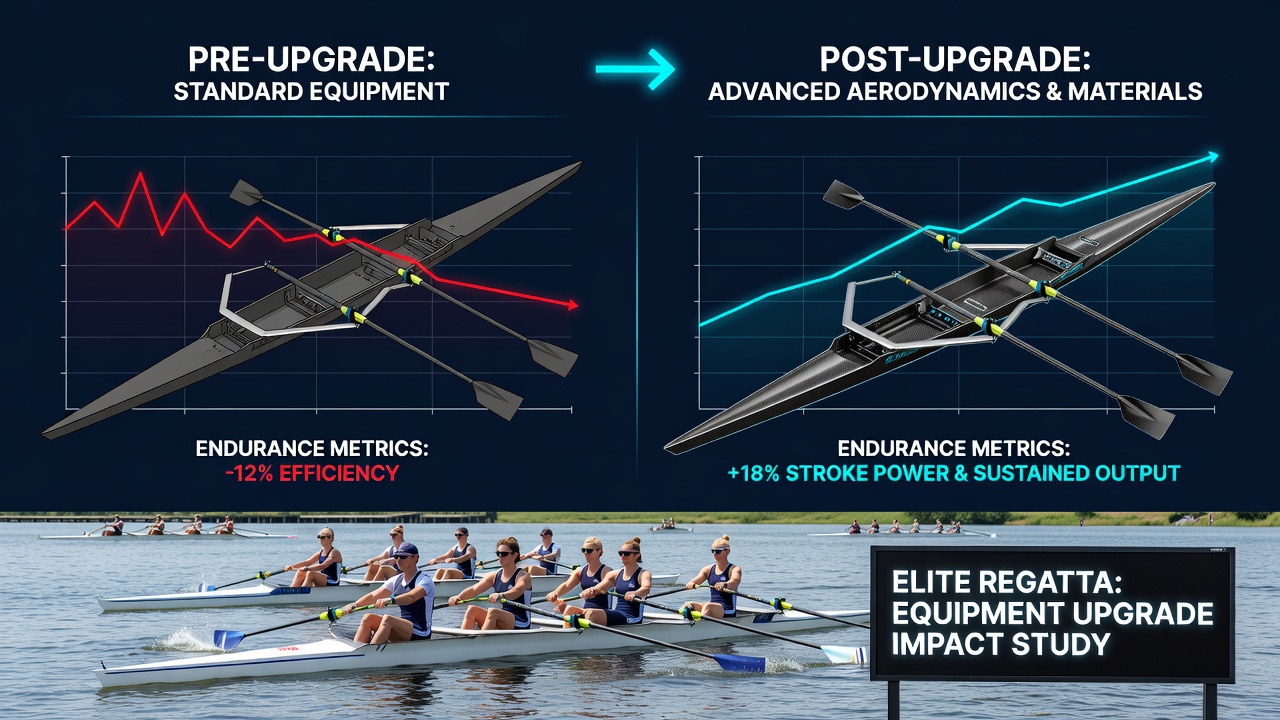
Metric Shifts Across Crew Categories
Men's heavyweight eights demonstrated the largest gains in repeated-sprint endurance, with recovery intervals between high-intensity bursts shortening by nearly 12 seconds on average, whereas lightweight women's double sculls showed more modest but consistent improvements in economy at sub-threshold intensities.
Data collected at the 2025 European Championships and carried forward into preparations for 2026 events suggests that the combination of reduced boat mass and altered blade entry angles contributed to lower cumulative oxygen debt by the finish line, particularly when wind conditions exceeded 15 knots.
Monitoring Methods and Data Integration
National programs now integrate real-time telemetry from strain gauges and GPS units directly into daily training logs, allowing coaches to adjust session volumes based on individual responses to the new equipment rather than relying on historical benchmarks alone.
Analyses conducted by the International Olympic Committee’s medical commission have confirmed that these shifts remain within expected physiological ranges and do not indicate any deviation from established safety thresholds for elite competitors.
Conclusion
Collective evidence from multiple federations points to measurable endurance metric improvements tied to specific equipment upgrades rolled out across elite regattas, with continued monitoring planned through the August 2026 schedule to determine whether the observed patterns stabilize or evolve further as crews accumulate additional mileage on the revised gear.