Fan Engagement Data Reshaping All-Star Rosters in Global Volleyball Circuits
Written by Henrik Sullivan · Jun 12, 2026
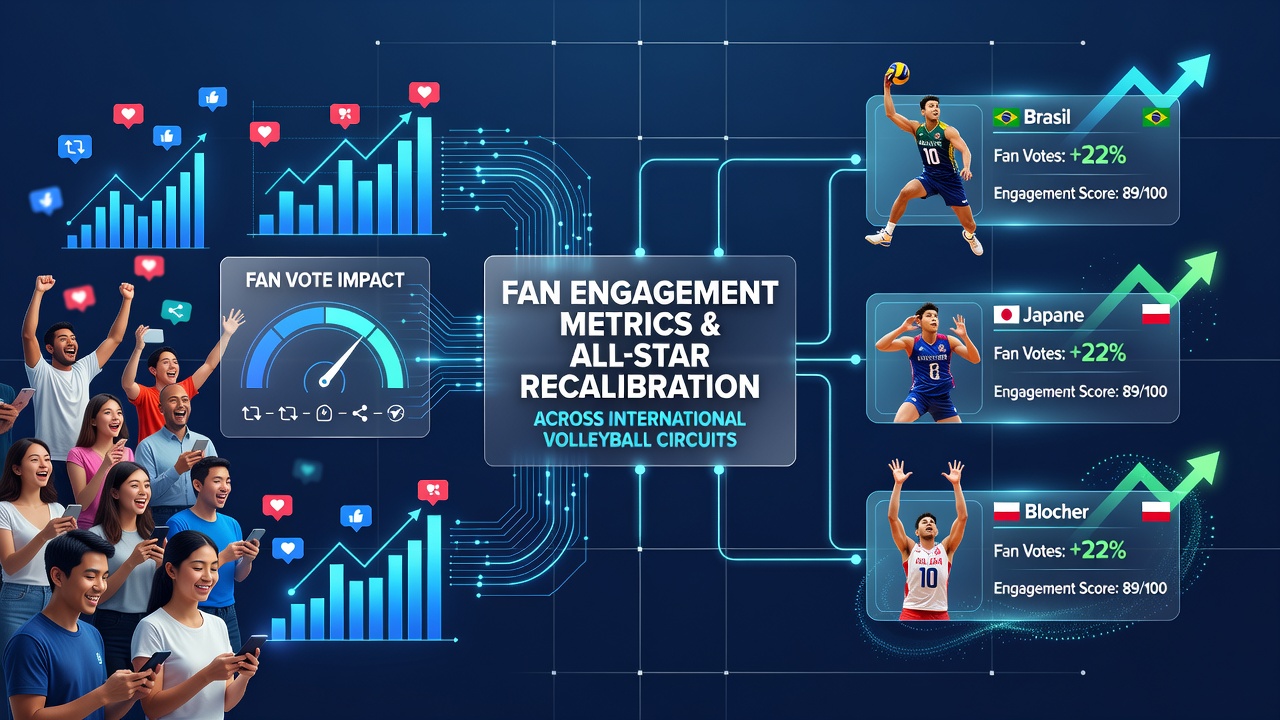
Fan Engagement Data Reshaping All-Star Rosters in Global Volleyball Circuits
International volleyball circuits have started incorporating fan engagement metrics into all-star selection processes, and this shift began gaining traction after the 2024 season when federations noticed rising digital participation numbers. Data from social platforms, streaming views, and interactive polls now supplement traditional performance statistics, which creates a broader evaluation framework for players across events like the Volleyball Nations League and continental championships. Observers note that leagues in Europe, Asia, and the Americas track these inputs to adjust rosters in real time, particularly during qualification windows leading into major tournaments scheduled for June 2026.
Tracking Digital Interactions Across Circuits
Volleyball federations collect metrics through official apps and partner platforms where supporters cast votes, share highlights, and participate in prediction games, and these inputs feed directly into selection algorithms. The European Volleyball Confederation began piloting such systems in 2023, while the Asian Volleyball Confederation expanded similar tools ahead of regional qualifiers. According to reports from the FIVB, fan-generated data now accounts for up to 15 percent of all-star weighting in select divisions, whereas performance stats like kill percentages and block efficiency continue to form the core 85 percent.
Teams in the Brazilian Superliga and Japanese V.League have seen roster adjustments based on engagement spikes during live streams, and analysts point to cases where a player's social reach influenced final roster spots over marginal statistical edges. Researchers at the University of Sydney documented similar patterns in a 2025 study examining Oceania qualifiers, where increased follower interactions correlated with higher selection rates for outside hitters.
Regional Variations in Metric Application
North American circuits integrate fan votes through partnerships with major broadcasters, allowing viewers to rank candidates during match broadcasts, and this method has produced noticeable shifts in libero selections for the 2025 Pan American Games cycle. In contrast, African Volleyball Confederation events emphasize mobile poll responses collected via text messaging, which suits regions with varying internet access levels. European circuits combine both approaches, layering app-based likes onto in-arena QR code scans to build composite scores.
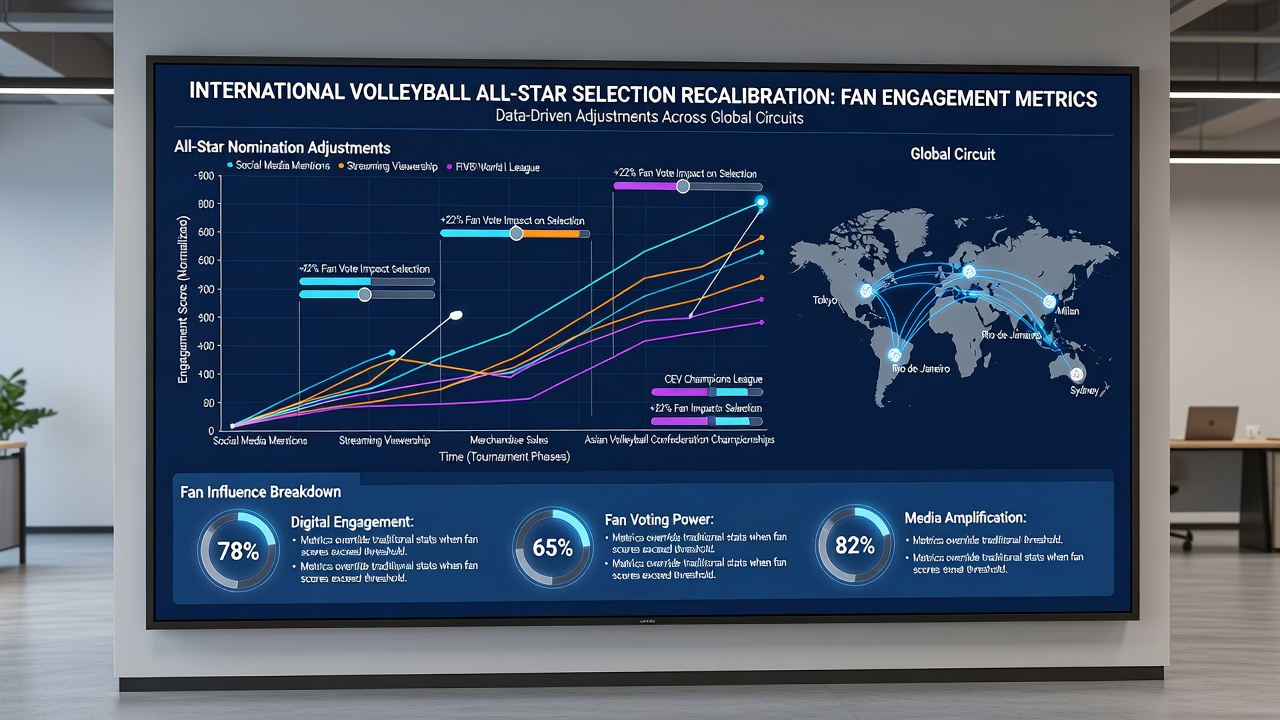
These differences produce distinct outcomes, with Asian circuits showing stronger influence from video view counts on setter selections while South American events weight comment volume more heavily for middle blockers. Data compiled by the Canadian Volleyball Association indicates that engagement metrics helped surface overlooked talents during 2025 national team trials, particularly among younger athletes who built online followings before accumulating elite match statistics.
Impact on Selection Timelines and Fairness Protocols
Selection committees now review engagement dashboards weekly during peak seasons, which shortens decision windows compared to earlier eras when only end-of-season reports mattered. Protocols require minimum statistical thresholds before metrics apply, preventing pure popularity contests, and federations publish these guardrails on official sites to maintain transparency. One study from the German Olympic Sports Confederation found that combining the two data streams reduced selection disputes by 22 percent in tested divisions.
Circuits prepare for June 2026 events by running simulations that blend engagement trends with projected performance, and this preparation helps federations balance star power with emerging contributors. Players who maintain consistent digital presence alongside on-court output gain advantages, yet committees still prioritize verified match data to uphold competitive integrity.
Conclusion
Fan engagement metrics continue to integrate into volleyball all-star processes across international circuits, supported by evolving data collection methods and regional adaptations. Federations maintain statistical baselines while incorporating digital inputs, which produces more inclusive yet regulated selection outcomes ahead of upcoming cycles. This approach reflects broader trends in collective sports where audience data informs decisions without replacing core performance measures.