Real-Time Sensor Data Reshaping Tactical Calls in Collective Athletic Events
Written by Willa Jenkins · May 29, 2026

Real-Time Sensor Data Reshaping Tactical Calls in Collective Athletic Events
Tracking devices equipped with GPS units, accelerometers, and heart-rate monitors have entered team sports environments at a rapid pace, delivering continuous streams of biometric and positional information that coaches access during matches. These systems transmit metrics such as speed, distance covered, and workload directly to tablets or headsets, allowing adjustments while play continues rather than waiting for halftime reviews. Leagues across multiple continents have integrated similar setups since the mid-2010s, yet refinements in data latency and predictive algorithms continue to expand their influence on split-second choices.
Data Streams Reaching Sidelines Without Delay
Modern units sample location and movement up to 100 times per second, then compress and forward summaries through low-power networks so that staff members see updated dashboards within seconds. In soccer, for instance, software flags when a midfielder's sprint count drops below a preset threshold, prompting a substitution before visible fatigue sets in. Basketball teams receive alerts on player acceleration patterns that correlate with defensive lapses, leading to immediate lineup switches. Observers note that these alerts reduce reliance on subjective visual assessment alone, because raw numbers arrive alongside the game clock.
Research from institutions such as the Australian Institute of Sport has quantified how positional data accuracy improved between 2020 and 2025, cutting location error margins to under one meter in open-field settings. That precision supports finer decisions, including which defender to deploy against a specific forward based on real-time movement heat maps. And the same datasets feed machine-learning models that project injury risk over the next five minutes of play, giving medical staff objective criteria for intervention.
Examples Across Different Team Disciplines
Rugby union squads have adopted chest-worn sensors that measure collision forces, enabling trainers to rotate front-row players when cumulative impact exceeds programmed limits. During the 2025-26 season, several European clubs reported fewer concussions after coaches began pulling athletes at earlier thresholds than in prior years. Handball federations in Scandinavia track jump frequency and landing angles, adjusting defensive schemes mid-match when certain players show altered mechanics that precede errors. These patterns emerge because the devices capture thousands of data points per contest, revealing trends invisible to the naked eye.
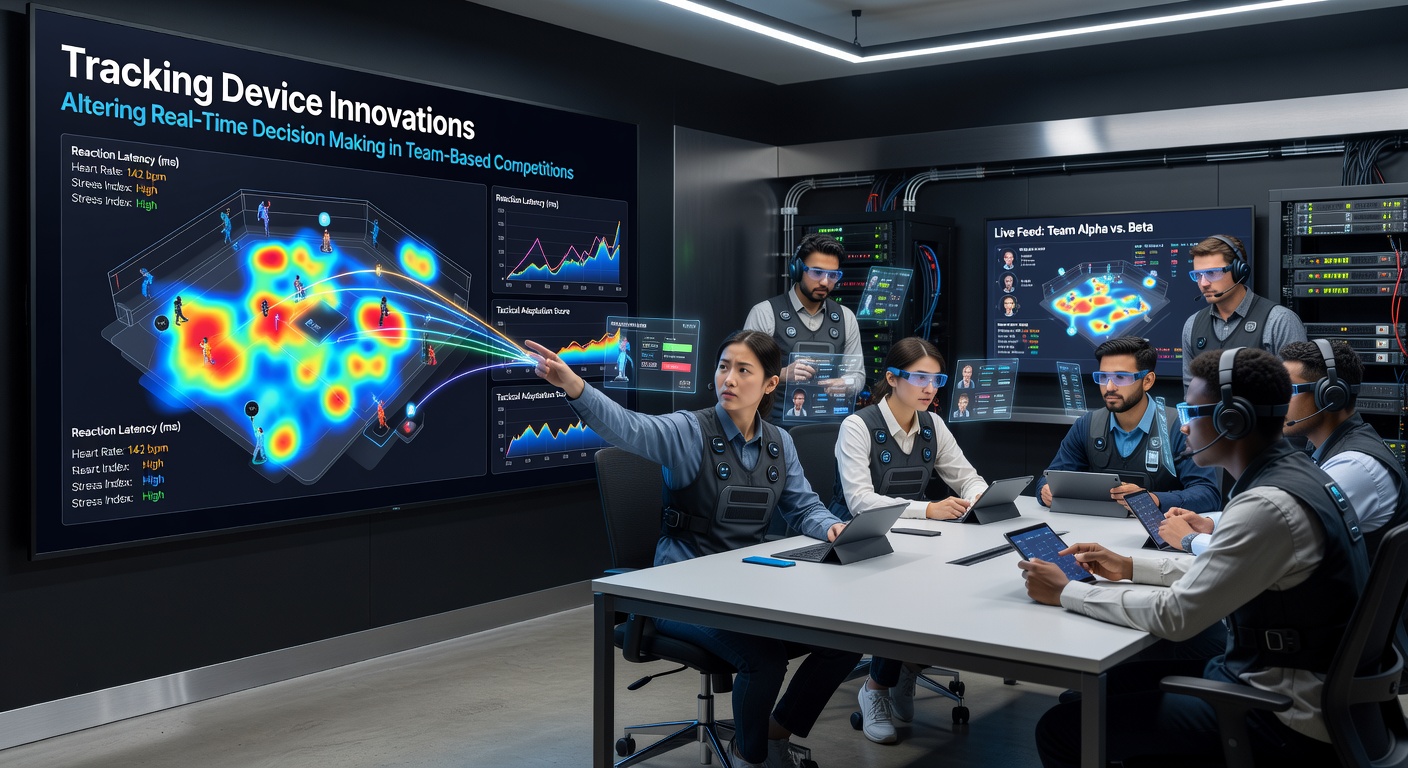
By May 2026, several North American professional leagues plan to expand sensor coverage to include hydration and core-temperature readings, adding another layer to substitution timing. Pilot programs already tested in collegiate volleyball demonstrated that coaches who received combined workload and thermal alerts made fewer late-game errors in player deployment. The same programs recorded measurable drops in heat-related incidents compared with seasons that relied solely on traditional observation methods.
Integration With Coaching Software and League Rules
Software platforms now overlay sensor outputs onto video feeds, so a coach can tap a player icon and instantly view that athlete's current output relative to historical averages. League regulations in several jurisdictions require that any data used for in-game decisions remain available for post-match audits, ensuring transparency. European governing bodies have issued guidelines that standardize data formats across clubs, allowing scouts and analysts to compare performance across borders without format conversion delays. Meanwhile, hardware manufacturers have reduced device weight below 50 grams, minimizing interference with natural movement.
Case studies compiled by research groups at Canadian universities show that teams adopting combined GPS and inertial measurement units altered an average of 3.2 more substitutions per game than control groups using older manual tracking sheets. Those changes correlated with improved second-half distance coverage among remaining players, because fresher athletes entered earlier. The figures emerge from controlled comparisons rather than isolated anecdotes, providing a clearer picture of how continuous monitoring shifts decision frequency.
Future Hardware and Algorithm Developments
Upcoming iterations incorporate multi-sensor fusion, merging optical tracking from stadium cameras with on-body units to fill gaps caused by signal obstruction under stadium roofs. Early tests indicate that hybrid systems lower data dropout rates by more than 40 percent. Developers also refine edge-computing chips so that simple predictive calculations occur on the device itself, trimming transmission delays further. Observers tracking these rollouts expect wider deployment in youth academies once costs fall below current levels, extending the same real-time feedback loops to developmental squads.
Conclusion
Tracking innovations have moved from post-game analysis tools to active participants in live strategy formulation across team competitions. Data delivered within seconds now informs substitution timing, formation tweaks, and workload management in ways that were unavailable a decade earlier. As sensor accuracy and integration depth increase, the volume of decisions influenced by objective metrics continues to rise, reshaping how teams allocate resources during the course of a single contest.