Recovery Dynamics: How Protocol Patterns Drive Mid-Event Adjustments Among Elite Badminton Competitors
Written by Willa Jenkins · Jun 14, 2026
Recovery Dynamics: How Protocol Patterns Drive Mid-Event Adjustments Among Elite Badminton Competitors
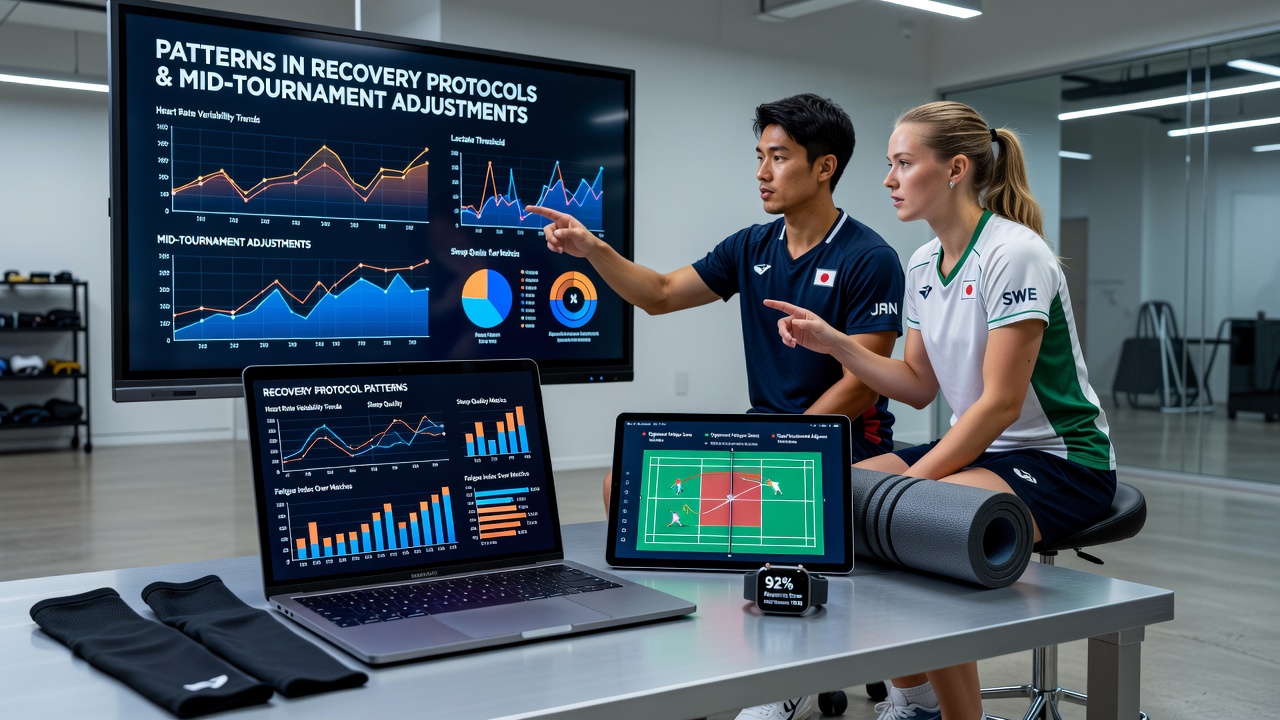
International badminton circuits have long tracked recovery patterns as key variables that prompt real-time tactical shifts, and observers note these adjustments occur frequently during extended events such as the BWF World Tour Super 1000 series. Players follow structured protocols involving sleep monitoring, targeted nutrition intake, and active recovery sessions, while data from wearable sensors reveal correlations between rest quality and subsequent match performance. Those who've studied elite squads point out that mid-tournament modifications often stem directly from these metrics, allowing coaches to alter training loads or rotation schedules without disrupting overall preparation cycles.
Research indicates that patterns emerge most clearly in multi-day competitions where athletes compete across singles and doubles formats. According to reports compiled by the Badminton World Federation, recovery timelines influence decisions around rest days versus active drills, particularly when cumulative fatigue registers above baseline thresholds. Teams integrate these insights through daily debriefs that combine biometric readings with video analysis, and this approach has produced measurable shifts in player availability during key stages of events held in June 2026.
Core Elements of Recovery Protocols
Protocols typically combine passive and active components, with emphasis placed on hydration cycles, cryotherapy sessions, and individualized sleep hygiene routines. Data shows that athletes who maintain consistent nightly rest intervals above seven hours demonstrate steadier shuttle speed retention across consecutive matches, whereas shorter durations correlate with increased error rates in net play. Experts have observed that nutrition timing plays an equally central role, as carbohydrate replenishment windows immediately after matches help stabilize blood glucose levels that support sustained rally endurance.
Coaches adjust these elements based on patterns observed in previous tournaments, incorporating feedback loops that refine protocols for specific venue conditions such as humidity or court surface friction. One study from an Australian sports institute found that players who incorporated light pool-based mobility work between rounds experienced fewer soft-tissue issues, prompting federations to embed similar practices into standard operating procedures for traveling squads.
Mid-Tournament Adjustment Mechanisms
Adjustments surface through structured review points scheduled between rounds, where support staff evaluate recovery scores against projected match demands. When metrics flag elevated muscle soreness or reduced reaction times, teams often shorten on-court sessions or introduce additional massage interventions to accelerate tissue repair. This process allows selectors to recalibrate lineups, shifting emphasis toward players whose recovery trajectories align better with remaining fixtures.
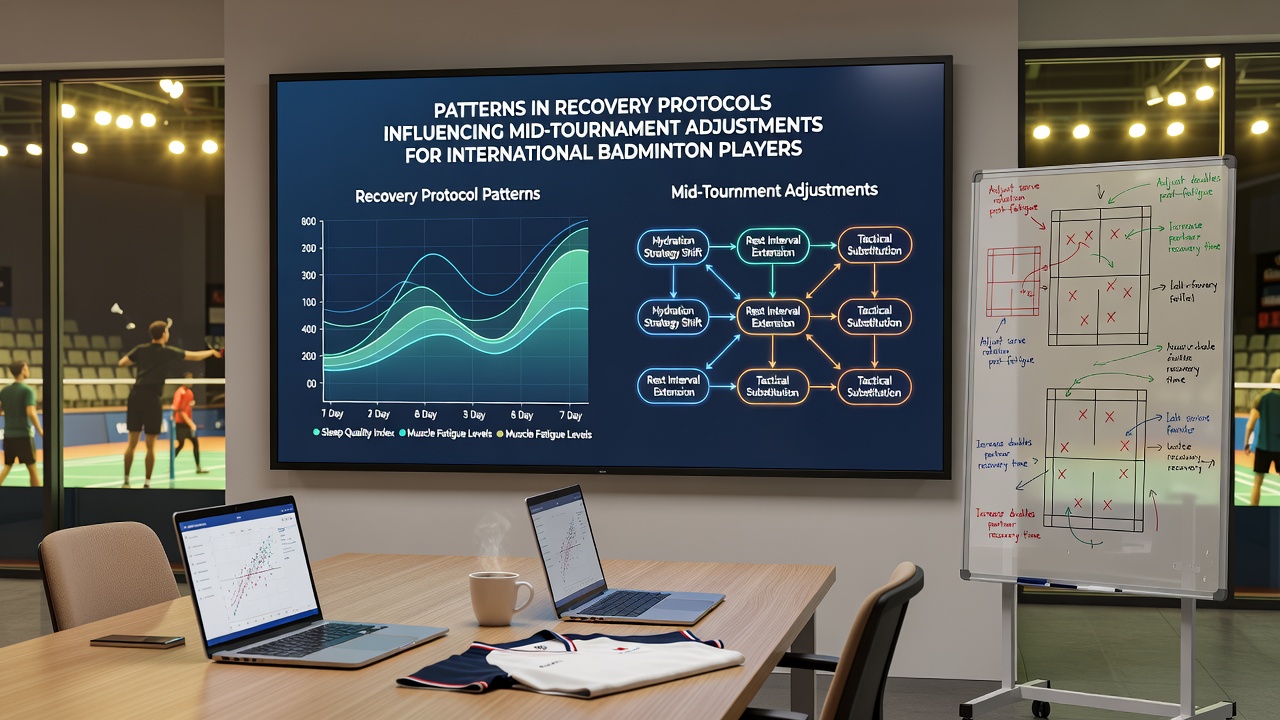
Figures reveal that such interventions appear most frequently in doubles pairings, where synchronized movement patterns amplify the effects of uneven fatigue distribution between partners. Researchers discovered that teams monitoring heart-rate variability daily achieved higher win percentages in later stages of events, because they could preemptively rest one partner while maintaining light activity for the other. These patterns hold across multiple regions, from European indoor arenas to Asian multi-sport complexes, underscoring the universal nature of recovery-driven decision frameworks.
Case Examples from Recent Circuits
Take one documented instance from the 2025 Indonesia Open where a top-seeded mixed doubles pair modified their warm-up volume after sensor data indicated incomplete overnight recovery. The change preserved energy for semifinal and final matches, resulting in consistent smash velocity throughout extended rallies. Similar adjustments occurred during the June 2026 edition of the Malaysia Masters, where several national squads rotated bench players based on biometric thresholds rather than relying solely on subjective coach assessments.
What's interesting is how these shifts integrate with broader squad management strategies. Federations coordinate with medical teams to log cumulative tournament loads, enabling predictive models that forecast when specific athletes may require protocol tweaks. Observers note that nations investing in centralized data platforms tend to display more agile mid-event responses, whereas those without such infrastructure often default to fixed schedules that overlook emerging fatigue signals.
Broader Implications Across Federations
International governing bodies continue to refine guidelines around recovery documentation, encouraging standardized reporting that facilitates cross-event comparisons. This standardization supports longitudinal studies examining how protocol adherence influences ranking trajectories over entire seasons. Evidence suggests that athletes who consistently apply evidence-based recovery sequences maintain higher availability rates, reducing the frequency of last-minute withdrawals that disrupt draw integrity.
Patterns also intersect with travel logistics, as jet-lag mitigation strategies combine with on-site recovery tools to stabilize performance upon arrival at new venues. Teams that sequence these elements effectively demonstrate smoother transitions between group stages and knockout rounds, highlighting the interconnected nature of preparation and in-tournament adaptation.
Conclusion
Recovery protocol patterns have become integral drivers of mid-tournament decision-making within international badminton, shaping everything from daily training volumes to final roster selections. Data from federations and research institutions illustrate clear linkages between monitored rest metrics and performance outcomes, prompting widespread adoption of sensor-informed adjustment frameworks. As events progress into 2026 and beyond, these patterns will likely expand through continued technological integration, offering teams additional precision in managing athlete workloads across demanding global schedules.