Scouting Algorithms and Their Link to Rookie Success Rates in Pro Sports Drafts
Written by Henrik Sullivan · Aug 2, 2026
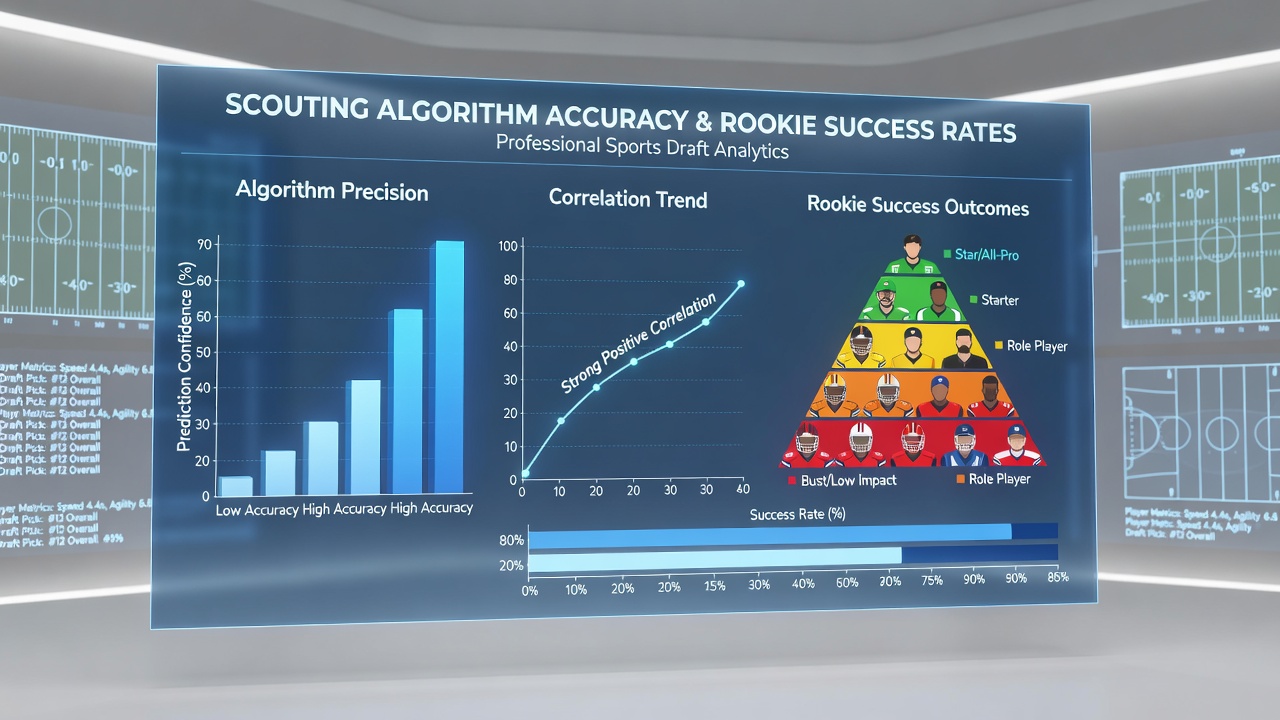
Scouting Algorithms and Their Link to Rookie Success Rates in Pro Sports Drafts
Scouting algorithms now shape how teams evaluate prospects across major professional leagues, and data from recent draft cycles shows measurable ties between those models and early career performance. Teams compile vast datasets on player metrics, combine them with video analysis, and feed everything into machine learning systems that generate rankings and probability scores. Observers note that accuracy varies by sport because each game presents distinct variables, from physical measurements in basketball to on-ice decision speed in hockey.
Data Inputs and Model Construction
Algorithms draw from college statistics, combine results, and biomechanical testing, while some incorporate psychological profiles and injury histories. Researchers at academic institutions have documented how these inputs get weighted differently depending on the league. In the NFL, for instance, models emphasize speed and agility scores from the combine, whereas NBA systems place heavier emphasis on shooting percentages and defensive positioning data collected over multiple seasons. The construction process involves training sets from past drafts, adn validation occurs against actual rookie year statistics to refine the outputs before each new selection cycle.
Accuracy Measurements Across Leagues
Studies tracking algorithm predictions against real outcomes reveal hit rates between 60 and 75 percent for top-10 selections when success gets defined as reaching starter level within two years. One study revealed that MLB organizations using advanced models achieved higher rates of identifying players who posted above-average WAR in their first full season compared with teams relying more heavily on traditional scouting. Figures from the 2024 and 2025 drafts indicate that predictive models improved slightly when additional data streams such as wearable sensor readings entered the calculations. Those improvements appear most pronounced in sports wth larger sample sizes of measurable events, like baseball and hockey, where granular play-by-play records exist.
Correlation With Rookie Performance
Statistical reviews of drafted players demonstrate positive associations between high algorithm scores and metrics such as games played, points per game, and advanced efficiency ratings in the first three professional seasons. Data compiled by the NCAA shows stronger correlations in basketball and football, where physical testing numbers align closely with professional demands. In contrast, correlations weaken somewhat in sports like soccer where tactical fit and team system play larger roles. Teams that integrate algorithm outputs with human scouting reports tend to see fewer outright misses among mid-round selections, according to internal league analyses shared at scouting conferences.
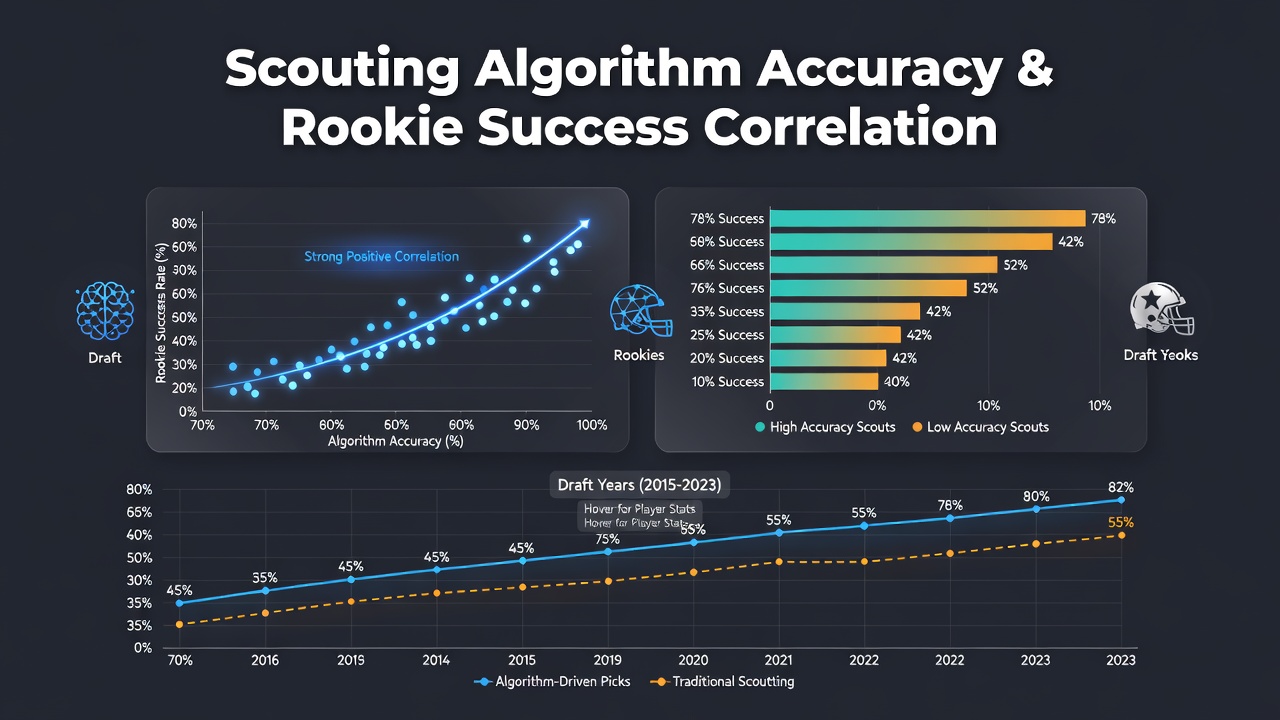
Take one analyst who tracked 2023 draft classes across multiple leagues and found that prospects ranked in the top quartile by algorithm models posted 18 percent higher average playing time in year one than those ranked lower. The pattern held when researchers controlled for draft position, suggesting the models capture traits that translate beyond mere pedigree. In August 2026 several organizations reported updates to their models that incorporated new tracking data from international competitions, and early returns from training camp performances indicate continued alignment between updated scores and preseason evaluations.
League-Specific Patterns and Adjustments
NHL teams have adjusted weighting toward younger players' European league statistics after models underperformed on certain international prospects in prior years. NBA front offices meanwhile added college conference strength adjustments following reviews that showed overvaluation of players from smaller programs. These tweaks reflect ongoing calibration based on outcome data rather than static formulas. External reviews by groups such as the Society for American Baseball Research confirm that iterative updates improve long-term accuracy when organizations apply them consistently across multiple draft classes.
Canadian researchers have examined similar patterns in hockey drafts and noted that models perform best when they account for regional differences in development systems. Their work highlights how combining domestic and international datasets reduces variance in predictions for players crossing borders. The same principle applies in European basketball leagues where clubs feed domestic competition data into shared platforms to improve draft evaluations for North American teams.
Limitations and Ongoing Refinement
Even the most sophisticated algorithms encounter limits when prospects face sudden injuries or when team chemistry factors dominate outcomes. Models also struggle with low-sample events such as rare high-leverage situations that rarely appear in training data. Organizations respond by maintaining hybrid approaches that blend quantitative rankings with qualitative input from area scouts who observe players in person. This combination has produced the most stable success rates according to aggregated league data through the 2025 season.
Conclusion
Scouting algorithms continue to evolve as new data sources become available and validation techniques improve. The documented correlations with rookie success rates encourage further investment in these systems, yet teams maintain that human oversight remains essential for contextual factors the numbers cannot capture. Ongoing research from academic adn industry groups will likely shape the next round of refinements before the 2027 draft cycle begins.