Sponsorship Patterns and Their Impact on Player Transfers in European Handball Circuits
Written by Henrik Sullivan · May 22, 2026
Sponsorship Patterns and Their Impact on Player Transfers in European Handball Circuits
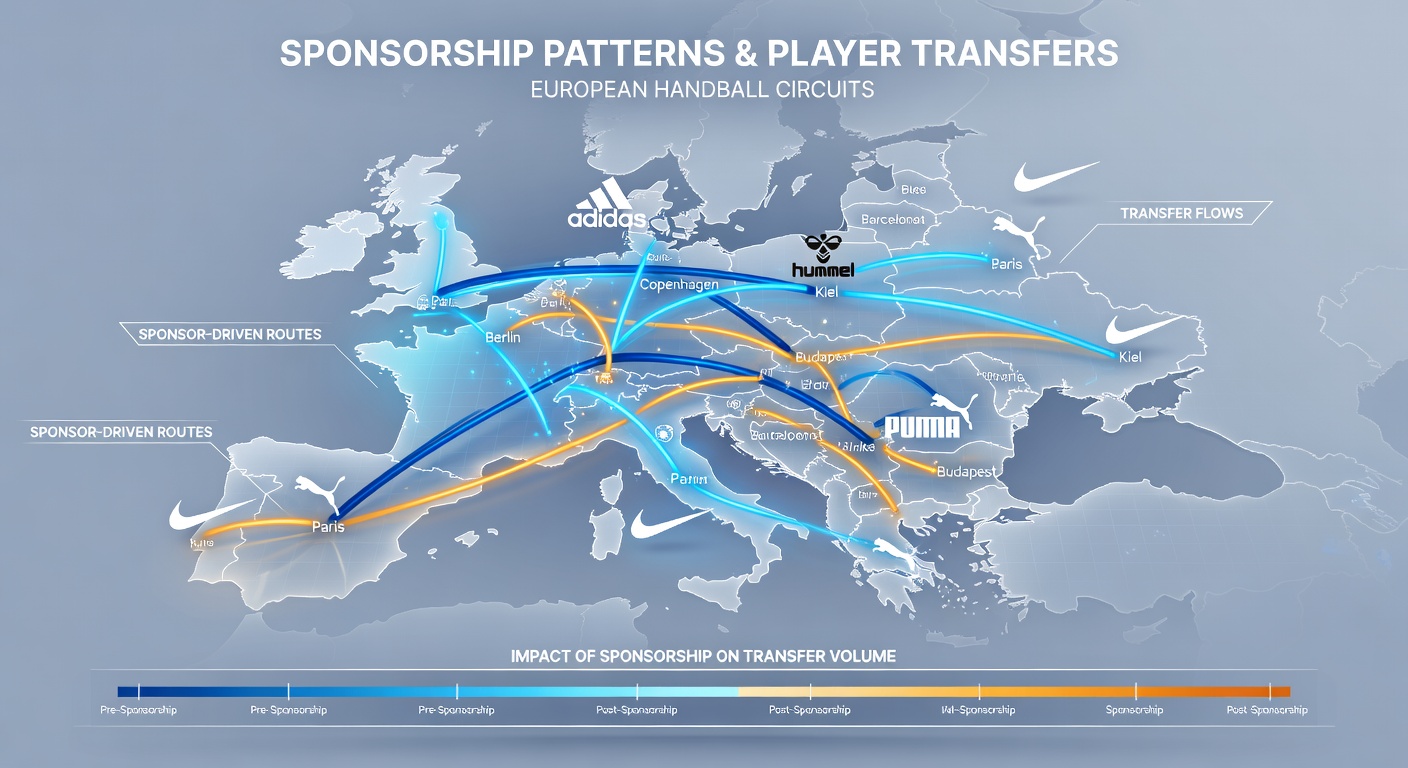
European handball has seen sponsorship patterns evolve in ways that directly influence where top players choose to sign contracts each season, with data from league records showing increased movement toward clubs backed by multinational corporations since the mid-2010s. Major circuits in Germany, Spain, France, and Scandinavia attract different types of sponsors, from automotive giants to tech firms, and those financial streams often determine transfer budgets that clubs can offer during the annual windows. Observers note that when a sponsor commits multi-year deals exceeding several million euros, the recipient club gains leverage to secure star pivots or goalkeepers from rival leagues, creating visible shifts in roster compositions across the continent.
Corporate Funding Structures in Key Leagues
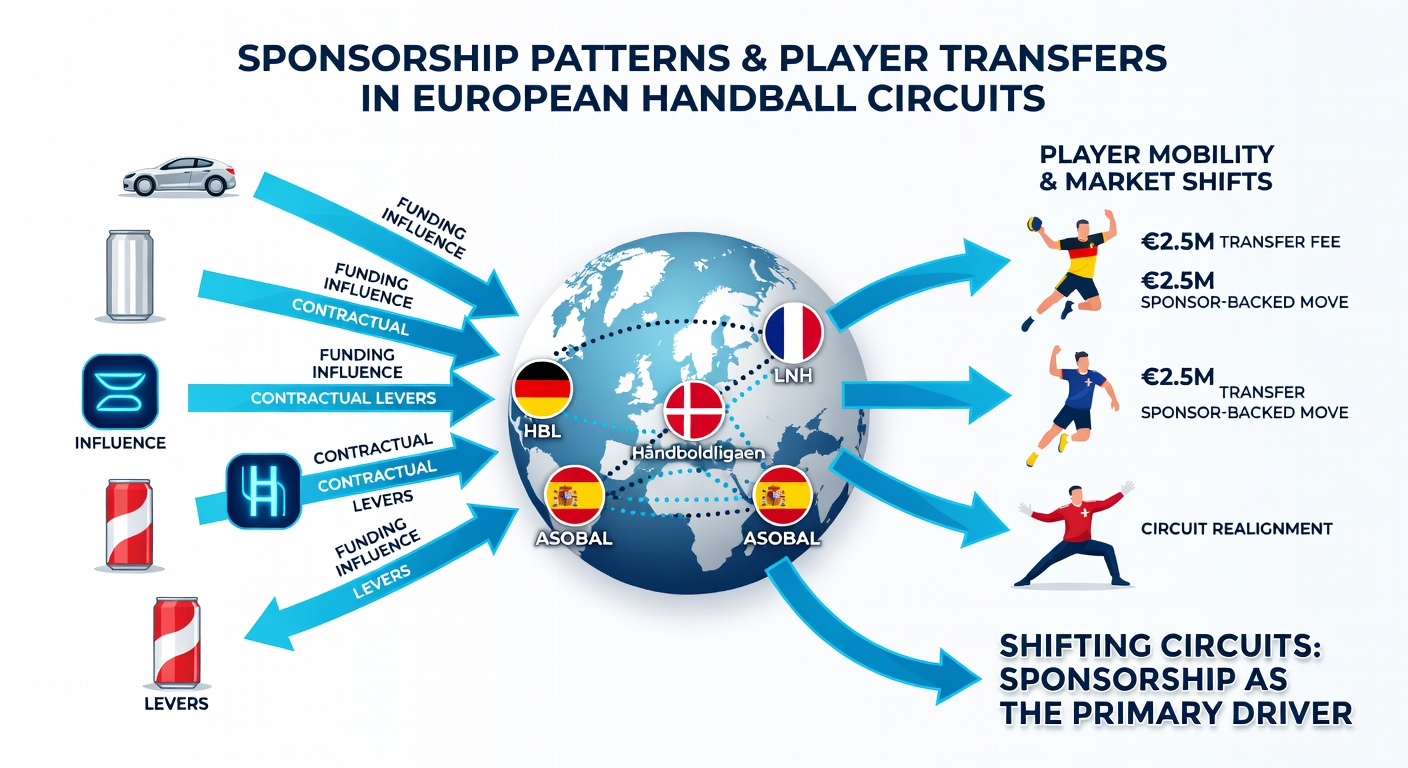
Leagues like Germany's Bundesliga and Spain's Liga ASOBAL operate under distinct sponsorship models that shape their appeal to international talent, while French and Danish circuits follow patterns tied to national corporate sectors. Research from sports economics groups indicates that Bundesliga clubs secured sponsorship revenue averaging 35 percent higher than their counterparts in smaller markets between 2020 and 2025, allowing consistent investment in transfer fees and player salaries. This funding gap becomes evident during May 2026 transfer negotiations, when clubs announce new deals ahead of the summer window that opens in July, and analysts track how sponsor announcements correlate with incoming player announcements from overseas. Those who've studied transfer databases point out that players frequently move from Eastern European clubs to Western ones once sponsorship renewals provide the necessary capital for competitive offers.
Regional Variations in Sponsor Influence
Germany's handball ecosystem draws heavy backing from manufacturing and automotive sponsors, which funds high-profile signings that ripple through other circuits as clubs scramble to match talent levels. In contrast, Spanish clubs often partner with fashion and energy companies whose contributions fluctuate with market conditions, leading to more variable transfer activity year to year. Data compiled by the European Handball Federation shows that Scandinavian leagues, particularly in Denmark and Norway, benefit from steady public-private partnerships that stabilize rosters yet limit aggressive recruitment compared with their German rivals. Experts tracking these circuits highlight how a single major sponsorship renewal can trigger a cascade of departures from mid-tier teams as players seek better terms elsewhere.
Transfer windows reveal these dynamics clearly when clubs publish financial statements alongside roster updates, and patterns emerge showing players gravitating toward teams with diversified sponsor portfolios rather than relying on single-source funding. One study from a European sports research institute found that clubs experiencing sponsor upgrades between 2022 and 2025 completed 28 percent more international transfers than those with static arrangements. Such movements redistribute talent across borders and alter competitive balance in continental competitions like the EHF Champions League.
Player Mobility Driven by Sponsor Commitments
Player agents monitor sponsor activity closely because fresh corporate partnerships signal increased payroll capacity for signing bonuses and performance incentives. Recent seasons demonstrate that left backs and line players, positions demanding physical dominance and tactical versatility, frequently relocate when new sponsors enter the picture and clubs allocate portions of those funds to roster upgrades. According to figures from national federation reports, the average transfer distance for top-division players lengthened by nearly 400 kilometers between 2018 and 2024, coinciding with expanded sponsorship networks that span multiple countries. Clubs in France, for instance, leveraged partnerships with luxury brands to draw talent from Germany and Spain during the 2025 offseason, illustrating how sponsorship geography influences movement directions.
What's interesting is how smaller circuits adapt when larger sponsors shift focus, forcing local teams to develop youth academies or pursue loan arrangements instead of outright purchases. Observers following May 2026 developments note several mid-market clubs announcing strategic alliances with regional banks and logistics firms to remain competitive in the upcoming transfer cycle. These adaptations help retain domestic talent while occasionally attracting overlooked prospects from abroad who value stable environments over higher wages.
Long-Term Effects on Circuit Balance
Over multiple seasons teh concentration of sponsorship wealth in select clubs creates persistent talent pipelines that favor established powerhouses, yet emerging data suggests counter-movements when sponsors diversify into previously overlooked leagues. European sports governing bodies have documented cases where Eastern European teams gained ground after securing technology or telecommunications sponsors, enabling them to retain key players and even recruit from Western circuits. This bidirectional flow prevents total dominance by any single league and maintains interest across the broader European handball landscape.
Those monitoring contract patterns recognize that sponsorship clauses sometimes include performance-based bonuses tied to individual player statistics, adding another layer that influences where athletes decide to compete. Such arrangements appear more frequently in German and French clubs, where sponsor contracts explicitly reference Champions League participation as a revenue trigger. Consequently, players weigh both immediate salary offers and projected sponsor-supported bonuses when evaluating transfer proposals during the annual cycles.
Conclusion
Sponsorship patterns continue to guide player transfers throughout European handball by determining which clubs possess the resources to compete for elite talent each season. League records and federation statistics illustrate clear correlations between corporate commitments and movement trends that span multiple circuits, with May 2026 serving as another checkpoint for observing these ongoing shifts. Clubs that secure stable, diversified sponsorships maintain advantages in attracting and retaining players, while others adjust through youth development or strategic partnerships to stay relevant in the competitive environment.