Venue Rotations Reshape Recovery Timelines in Global Volleyball Circuits
Written by Henrik Sullivan · Aug 19, 2026
Venue Rotations Reshape Recovery Timelines in Global Volleyball Circuits
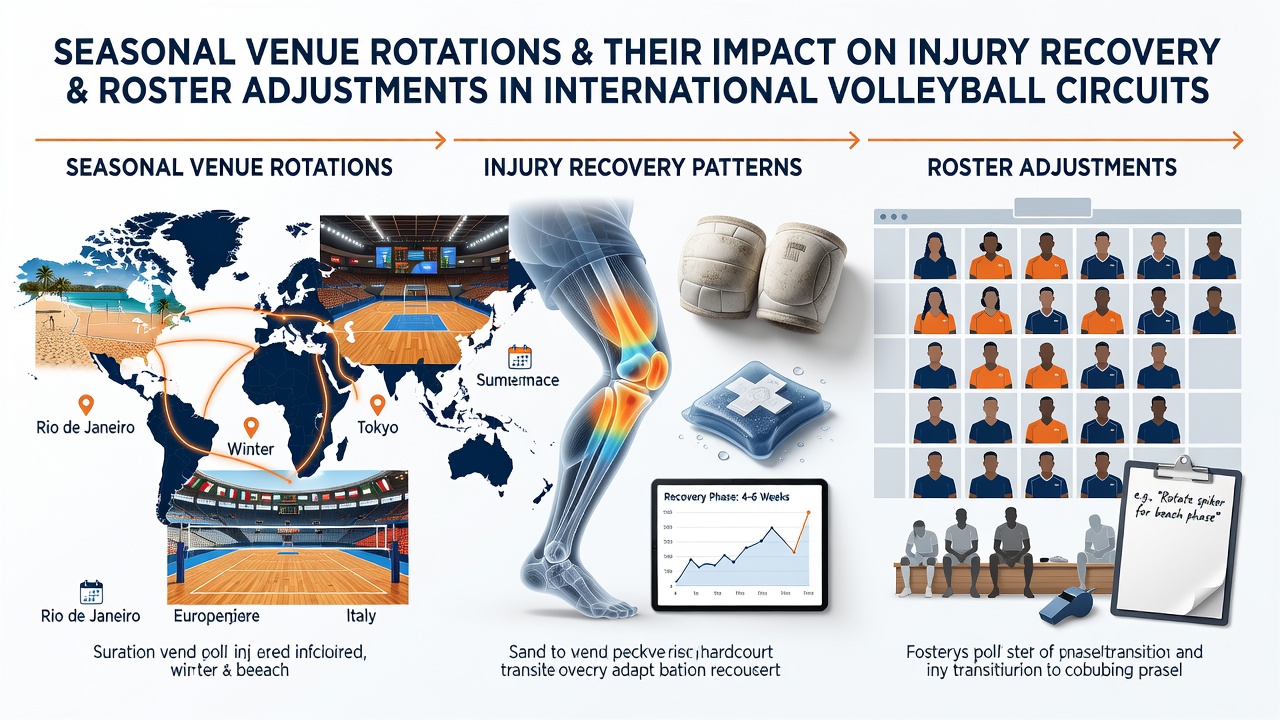
International volleyball schedules move teams through indoor arenas and outdoor facilities across continents each year, and observers note that these venue changes alter how athletes recover from common injuries like shoulder strains and knee issues. Data from FIVB events shows patterns where humidity levels in tropical sites slow muscle repair compared to drier climates in European halls, while travel between time zones adds fatigue that extends rehabilitation periods by days or weeks.
Climate Variations and Their Direct Effects on Healing
Teams competing in the Volleyball Nations League cycle through locations with temperature swings that range from controlled 18-degree arenas in Scandinavia to humid 30-degree-plus environments in Southeast Asia, and studies from the Australian Institute of Sport link higher moisture content in the air to increased inflammation in joints after repeated jumps. Players who land awkwardly on hard courts in warmer venues report longer ankle recovery windows because sweat and reduced air circulation affect proprioception during rehab sessions.
August 2026 schedules place several national squads in South American stops where altitude combines with heat to challenge cardiovascular return-to-play protocols, and records indicate that squads adjust by extending rest intervals between matches when medical staff detect elevated heart rates persisting beyond standard norms.
Travel Demands and Scheduling Pressures
Long-haul flights between Asian qualifiers and North American tournaments disrupt sleep cycles that normally support tissue repair, while researchers at the University of Toronto found correlations between cumulative jet lag hours and delayed return dates for athletes managing patellar tendon problems. Roster managers respond by monitoring biometric markers and inserting substitutes earlier in rotations when recovery metrics fall below team thresholds.
Roster Shifts Triggered by Venue-Specific Data
Coaches review historical injury logs from each circuit stop before finalizing lineups, and evidence shows that teams allocate more bench depth for tropical legs of the tour because dehydration risks rise sharply in those conditions. One documented adjustment pattern involves bringing additional setters who can handle quicker sets when primary players require extra recovery time due to court surface variations in friction and bounce.
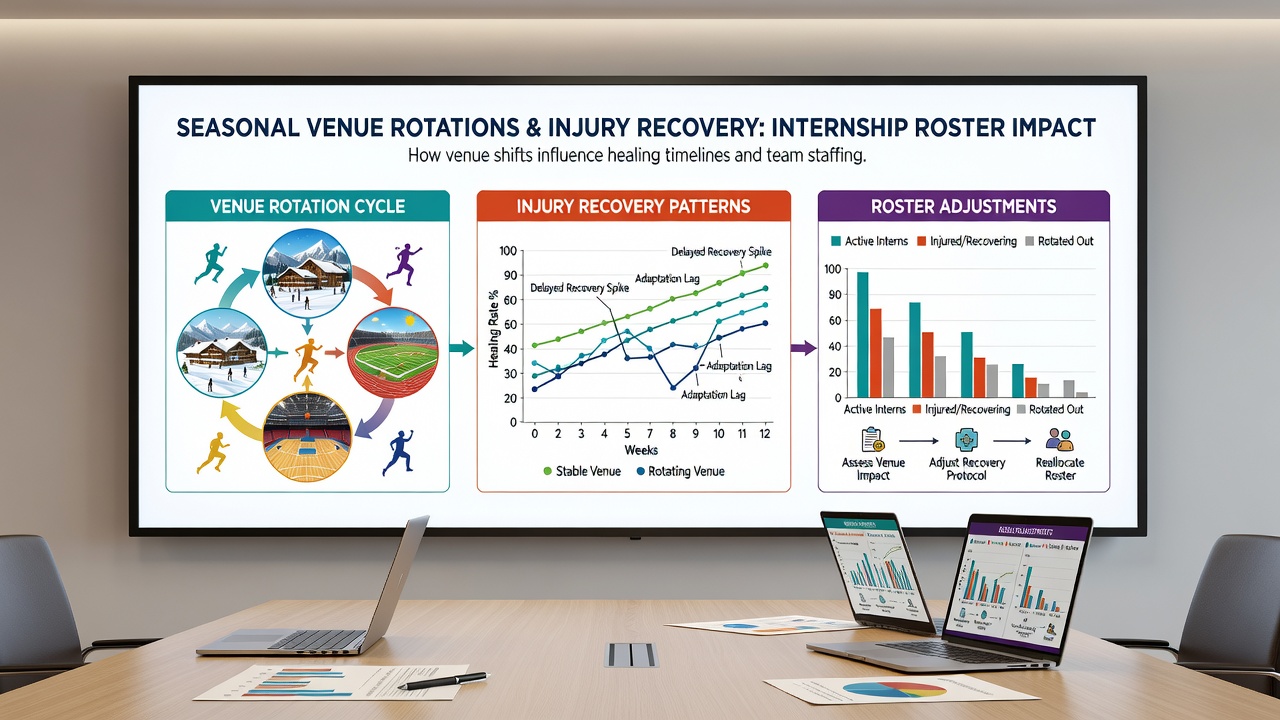
European clubs traveling to Middle Eastern events in summer months often expand their medical support staff to address faster muscle cramping rates, and league statistics reveal that such preparations reduce the number of mid-tournament withdrawals by measurable percentages. Squads that fail to account for these venue factors experience higher rates of mid-season transfers as injured athletes miss critical ranking matches.
Equipment and Facility Factors in Recovery Patterns
Lighting consistency and air circulation systems differ markedly between older Asian facilities and newer North American domes, and performance tracking data ties inconsistent lighting to increased eye strain that indirectly affects spiking accuracy and shoulder loading. Maintenance crews at rotating venues follow standardized FIVB protocols, yet minor differences in floor cushioning still influence how quickly athletes regain explosive power after ankle sprains.
Teams that study these variables in advance maintain more stable lineups because they anticipate when certain positions will need rotation to protect recovering players from cumulative stress.
Conclusion
Seasonal venue changes continue to drive measurable shifts in both injury recovery durations and roster composition across international volleyball, with climate, travel, and facility details forming the core variables that medical and coaching staffs track. Organizations that integrate venue-specific analytics into planning maintain competitive edges through fewer forced adjustments, while ongoing data collection from circuits like the 2026 schedule promises refined models for future seasons.