Wearable Data Streams Reshape Athlete Selection Across Multi-Sport Federations
Written by Devon Schwarz · Jun 7, 2026
Wearable Data Streams Reshape Athlete Selection Across Multi-Sport Federations
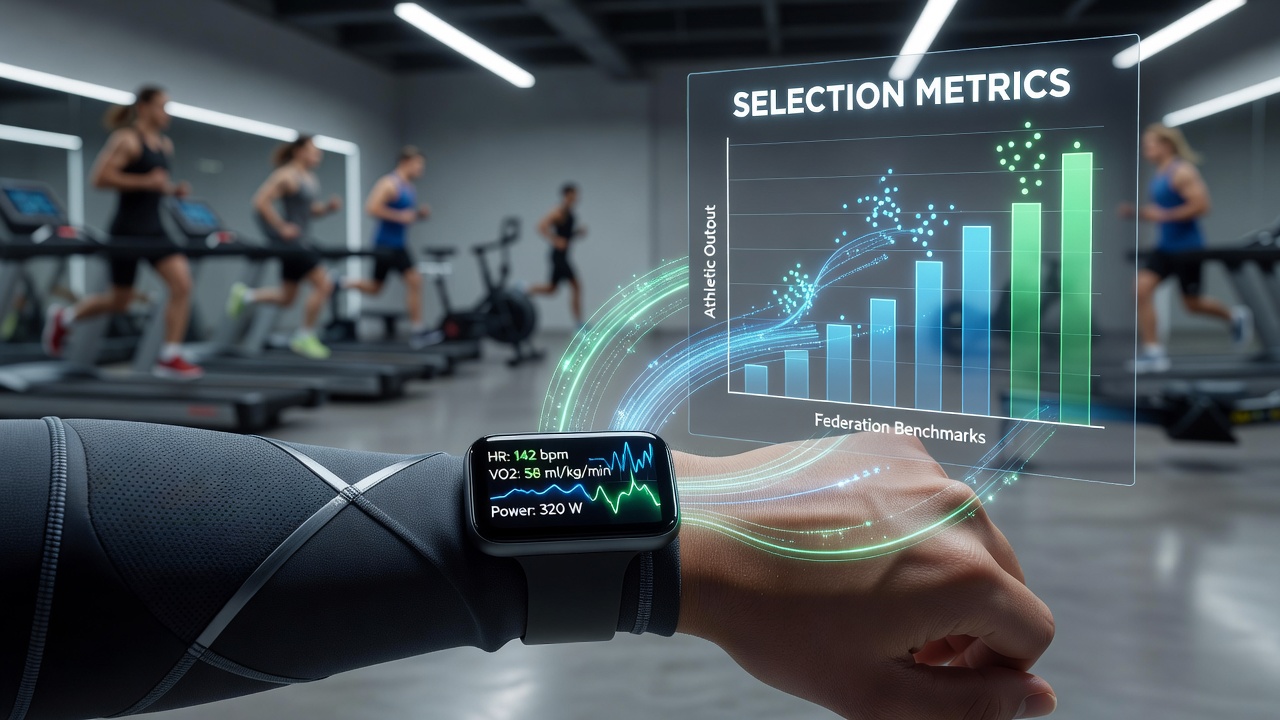
Multi-sport federations now integrate streams of biometric information from wearable devices into their evaluation frameworks, and this shift has altered traditional scouting methods that once relied primarily on live observation and subjective assessments. Devices track metrics such as heart rate variability, sleep patterns, movement efficiency, and recovery rates, which coaches and selectors review alongside performance statistics from competitions. Research from the Australian Institute of Sport shows that federations began piloting these systems more widely after 2022, with adoption rates climbing steadily through 2025.
Selectors access dashboards that aggregate data across training cycles, and they compare athletes who compete in events like triathlon, modern pentathlon, and combined winter disciplines. Patterns emerge when an athlete maintains consistent power output during high-intensity intervals while showing rapid recovery between sessions, and these indicators help distinguish candidates during final roster decisions. Data collected in controlled environments allows comparisons that account for variables such as altitude exposure and travel fatigue, elements that field tests alone cannot always isolate.
Collection Methods and Standardization Efforts
Federations require athletes to wear standardized sensors during designated monitoring periods, and manufacturers calibrate equipment to ensure measurements remain consistent across different training locations. Organizations such as the Canadian Olympic Committee have published guidelines that specify minimum data points for endurance-based selections, and these protocols include thresholds for daily training load and weekly recovery scores. Athletes upload information through secure portals, which administrators then cross-reference with competition results submitted by national bodies.
June 2026 marks the scheduled rollout of an updated data-sharing platform among several European federations, and this system will allow real-time synchronization of metrics from devices used in both summer and winter sports. The platform incorporates encryption standards developed in collaboration with academic researchers at institutions in Germany and Switzerland, which helps maintain athlete privacy while enabling selectors to review longitudinal trends.
Impact on Decision Timelines
Selection committees now review preliminary data sets months before major qualification events, and this practice shortens the window between final trials and roster announcements. One study conducted at a North American university tracked how recovery metrics predicted injury risk in multi-event athletes, and the findings indicated that individuals with elevated overnight heart rates faced higher dropout rates during extended competition schedules. Federations apply similar models to rank candidates who demonstrate superior resilience under cumulative load.
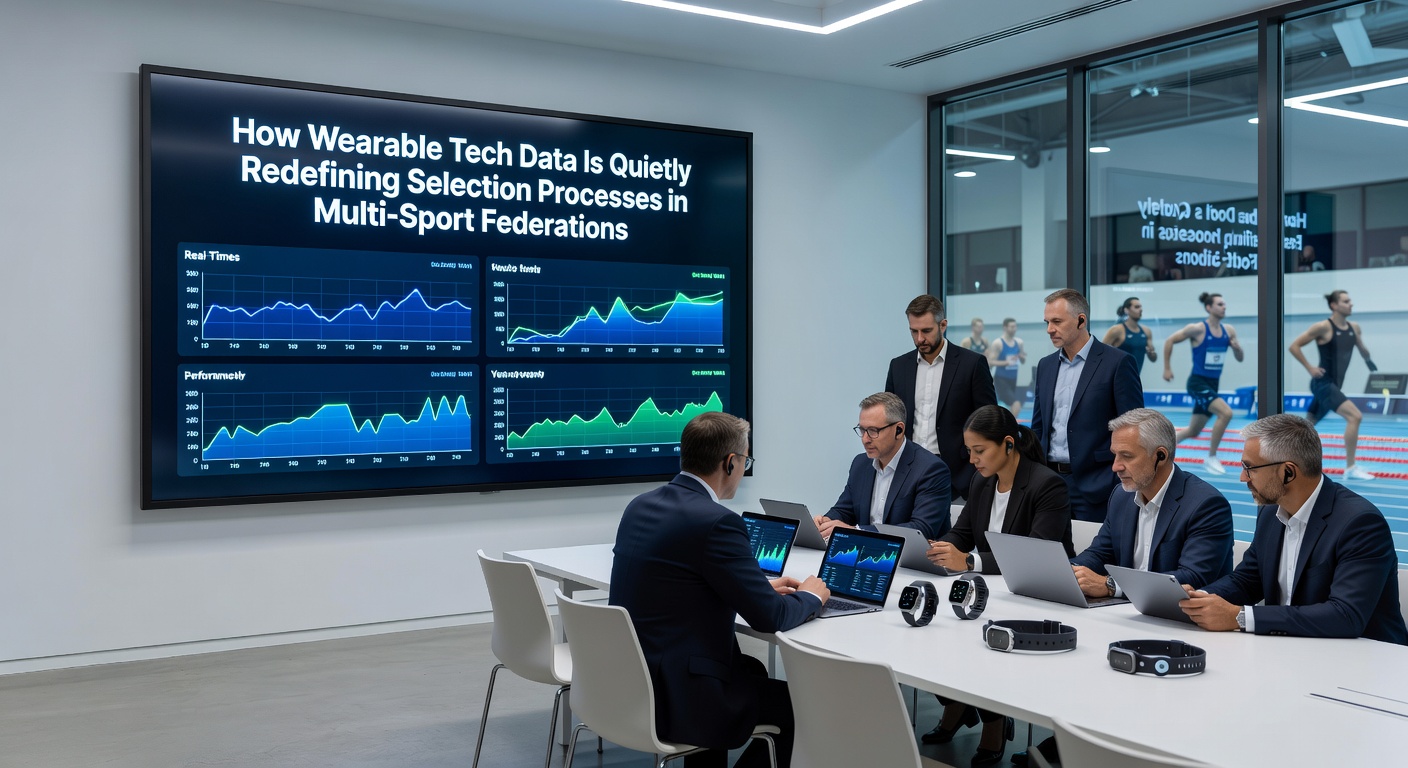
Selectors combine sensor outputs with video analysis and coach evaluations, yet the quantitative layer often resolves close calls when two athletes post nearly identical competition times. Data from devices worn during altitude camps, for instance, reveals differences in oxygen utilization efficiency that traditional stopwatch records overlook. Observers note that federations in Oceania adopted these layered reviews earlier than counterparts in other regions, partly because their smaller talent pools benefit from finer distinctions.
Case Examples from Recent Cycles
A European modern pentathlon federation adjusted its 2025 national team roster after reviewing sleep consistency scores from the preceding six months, and three athletes who appeared strong in live events were ultimately passed over in favor of others showing steadier recovery profiles. In another instance, a winter multi-sport organization used movement symmetry data to identify an emerging biathlete whose technique reduced injury likelihood during transitions between skiing and shooting segments. These adjustments occurred without public disclosure of the underlying metrics, which illustrates how quietly the process has evolved.
Researchers at an Australian university documented how federations reduced last-minute roster changes by 18 percent after implementing wearable monitoring programs, and similar reports from U.S.-based sports science centers have corroborated the trend. The data also supports long-term development planning, since federations can flag athletes whose profiles suggest they will peak during target windows two or three years ahead.
Challenges and Ongoing Adjustments
Device accuracy varies across brands and environmental conditions, and federations continue to refine calibration procedures to minimize discrepancies. Some athletes express concerns about constant monitoring affecting their mental preparation, yet administrators maintain that participation remains voluntary outside mandatory training blocks. Legal frameworks in several countries now address data ownership, which requires federations to obtain explicit consent before storing or sharing individual profiles beyond selection purposes.
Technical teams work to integrate wearable outputs with existing performance databases, and this integration demands ongoing updates to algorithms that weigh different metrics according to sport-specific demands. Multi-sport federations face additional complexity because the same athlete may compete across disciplines that emphasize contrasting physiological traits, such as explosive power versus sustained endurance.
Conclusion
Wearable technology supplies federations with objective layers of information that complement traditional selection criteria, and the approach continues to mature as devices become smaller and data processing grows more sophisticated. By June 2026, expanded platform connectivity across regions will likely accelerate these practices further, while standardization efforts aim to ensure fairness in how metrics influence roster decisions. The quiet integration of sensor data has already changed evaluation timelines and depth of analysis available to selectors worldwide.